What Is PRK?

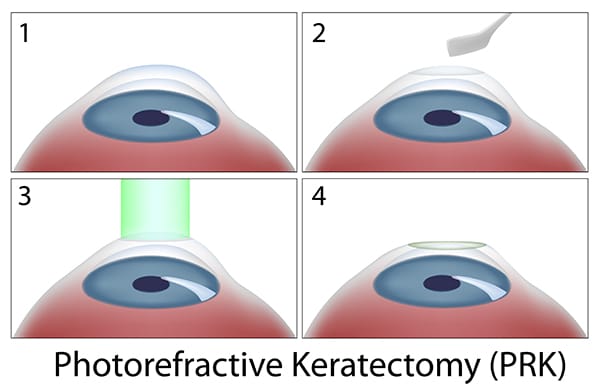
PRK is a type of laser vision correction that reshapes the cornea to correct refractive prescriptions. Unlike LASIK, PRK does not create a corneal flap. Instead, the laser is applied to the front surface of the cornea. This method is safer for some patients based on the anatomy of the eye. While visual outcomes are comparable to LASIK–patients often achieve 20/20 vision or better–PRK typically takes slightly longer to reach that final vision.

How Does PRK Work?

During PRK, your surgeon carefully removes the thin outer layer of your cornea, then applies the laser to reshape the corneal surface. This process allows light to focus correctly on the retina, improving clarity and sharpness of vision.

Since no flap is created, PRK is particularly suitable for patients at risk of corneal complications, such as those with thinner corneas, surface irregularities, or certain occupations and hobbies where flap complications could be a concern.

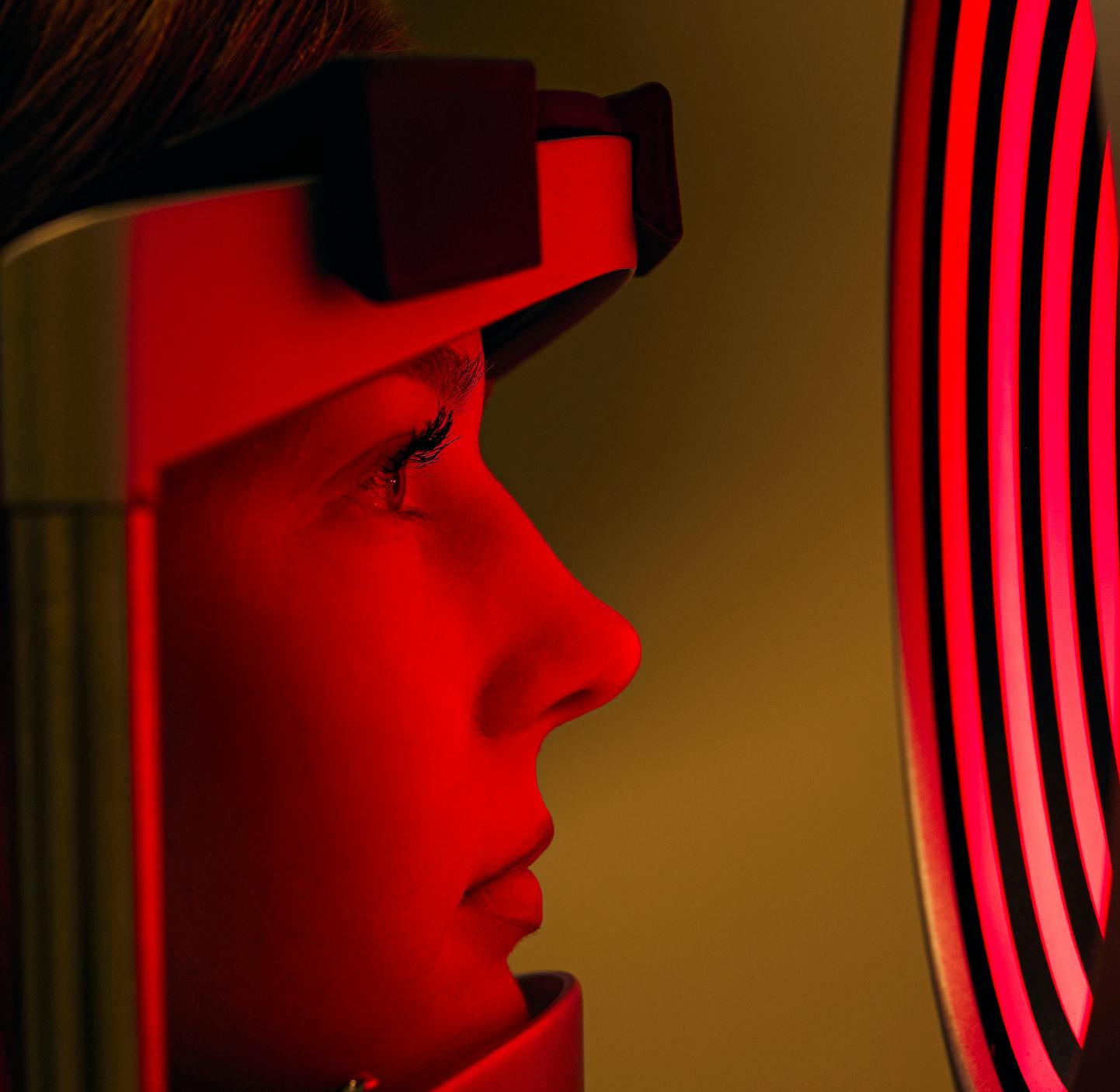
woman getting PRK

Am I a Good Candidate for PRK Surgery?

PRK may be right for you if you:

  • Are at least 18 years old with a stable prescription
  • Have thinner or irregular corneas that make LASIK less ideal
  • Are in good overall eye health
  • Have realistic expectations about your visual outcomes

Your doctor will conduct a detailed evaluation, including corneal mapping and an overall eye health assessment, to determine if PRK is the safest and most effective option for you.
Schedule a Consultation

Contact Us

PRK vs. LASIK

Both PRK and LASIK use the same advanced laser technology to reshape the cornea and improve vision. The main difference is how the surgeon accesses the treatment area, which affects healing and comfort. Key distinctions include:

Flap creation

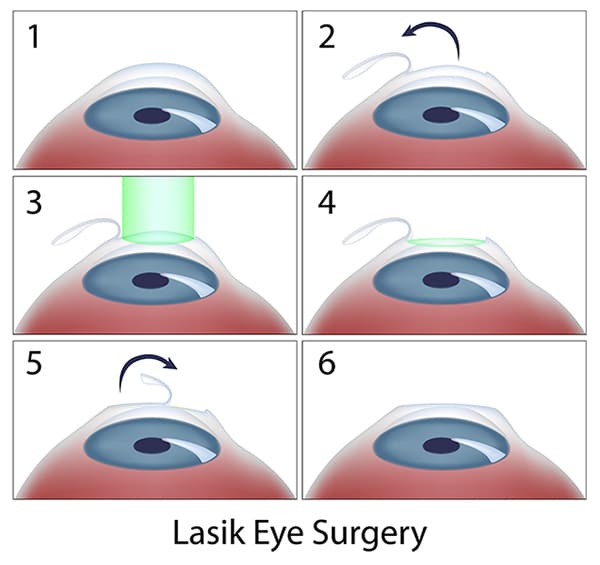
  • LASIK involves creating a thin corneal flap that is lifted during treatment and then repositioned.
  • PRK does not require a flap; instead, the surface cells (epithelium) are gently removed and naturally regenerate after the procedure.

Recovery time

  • LASIK offers faster visual recovery, with many patients seeing clearly within a day or two.
  • PRK has a slower, more gradual recovery because the surface layer needs time to heal, and final vision may take several weeks to stabilize.

Ideal candidates

  • PRK is often recommended for patients with thinner corneas, irregular corneal surfaces, or certain occupational or lifestyle factors.
  • LASIK is typically chosen for patients with adequate corneal thickness and stable prescriptions who want a faster recovery.

Ultimately, both procedures provide excellent long-term visual outcomes. Your doctor at Eye Surgeons of Indiana will evaluate your eyes, lifestyle, and vision goals to help determine which option is safest and most effective for you.

prk infographic

lasik infographic

Preparing for PRK

Before your procedure, you’ll have a thorough consultation at Eye Surgeons of Indiana to ensure PRK is the right choice.

This visit includes:

  • Comprehensive eye examination and corneal mapping
  • Discussion of your visual goals and expectations
  • Review of the procedure, recovery, and post-op instructions
  • Answering any questions about PRK

Tips for a smoother recovery include:

  • Arranging a comfortable rest area for after surgery
  • Planning transportation, as you cannot drive immediately post-procedure
  • Having any needed prescriptions ready
Banner media

Recovery After PRK

Recovery from Photorefractive Keratectomy procedures generally takes longer than LASIK since the outer corneal layer must regenerate. You may experience mild discomfort, light sensitivity, or watery eyes in the first few days. Patients typically notice gradual improvement over several days, with full visual clarity achieved within the first several weeks.

Your doctor will provide detailed post-op instructions, including:

  • Using prescribed eye drops to prevent infection and reduce inflammation
  • Wearing protective eyewear or shields as instructed
  • Avoiding swimming, dusty environments, and strenuous activity until cleared

I am happy with my care. They are compassionate, knowledgeable and caring.

L.J.

Professional & friendly all the way from 
check-in to surgeon. Best run office I’ve ever been to. Surgery & sight as promised.

Anne H.

Had a visit with Dr. Morrow today and he was very thorough and helpful. I’d recommend this establishment to anyone.

Aron J.

Very efficient. Wait time limited and they 
got me in quickly. Went above and beyond to make sure I was attended to.

MJ K.

Very good experience. The best part was meeting the team everyone was so friendly. And I like the Dr I had. He was very thorough.

Delores B.

I am thrilled with the level of service that 
I have received. All staff members have been excellent to work with.

Clay O.

Had a wonderful experience getting LASIK done at Eye Surgeons of Indiana! You can really tell they know what they’re doing and are good at it. The proces...

Had a wonderful experience getting LASIK done at Eye Surgeons of Indiana! You can really tell they know what they’re doing and are good at it. The process was very streamlined, yet personal. Glad I chose to go here!

Brittany C.
Read More Real Patient Reviews

Recognized for an Outstanding Workplace Culture

At Eye Surgeons of Indiana, exceptional patient care begins with an exceptional team. Our practice has been honored as a Top Workplace based on employee feedback, recognizing our commitment to creating a supportive, collaborative, and rewarding work environment. This ongoing recognition reflects our dedication to investing in our people, fostering professional growth, and maintaining a culture that helps both our team and our patients thrive.

Top places to work icon

Financing and Payment Options

PRK is eligible for payment with Flexible Spending Accounts (FSA) and Health Savings Accounts (HSA), allowing tax-free use of funds for vision correction procedures. We also offer CareCredit payment plans, including interest-free short-term options. Contact Eye Surgeons of Indiana to learn about the plan that best fits your budget.

Why Choose Eye Surgeons of Indiana for PRK?

Choosing PRK is a life-changing decision, and selecting the right provider is just as important as the procedure itself. At Eye Surgeons of Indiana, your vision is entrusted to a team with a long-standing reputation for clinical excellence, advanced technology, and patient-centered care.

Our team of LASIK and PRK doctors has performed over 350,000 advanced refractive procedures. Eye Surgeons of Indiana is widely recognized and trusted by hundreds of referring optometrists throughout the state, many of whom choose us for their own eye care and for their families. Professionals trust us; so can you.

Video Thumbnail

LASIK Center LASIK Consultation

Video Thumbnail

What is PRK?

PRK Frequently Asked Questions

Does PRK hurt?

PRK is generally comfortable. Prescription eyedrops and protective lenses help manage any temporary discomfort during healing.

How long does it take to recover vision after PRK?

Final vision typically stabilizes within one to three months, though patients notice gradual improvement sooner.

Is PRK permanent?

Yes, PRK permanently reshapes the cornea to correct refractive prescriptions, though age-related changes may still occur.

Can I still need reading glasses after PRK?

PRK corrects distance vision, but it does not prevent age-related presbyopia (need for reading glasses), which typically develops later in life.

How is PRK different from LASIK?

The main difference between PRK and LASIK is how the cornea is accessed during treatment. LASIK creates a thin corneal flap, while PRK removes the outer corneal layer and allows it to naturally regenerate. PRK may be a better option for patients with thinner corneas or certain lifestyle factors.

How long does PRK recovery take?

PRK recovery is gradual because the surface layer of the cornea needs time to heal. Many patients notice improving vision within the first several days, while full visual clarity typically develops over several weeks as the eyes continue to stabilize.

Will I be awake during PRK surgery?

Yes. PRK is performed while you are awake, but numbing eye drops are used to keep you comfortable throughout the procedure. Your surgeon will guide you through each step to help you feel relaxed and informed.

Can PRK correct astigmatism?

Yes. PRK can correct certain levels of astigmatism along with nearsightedness and farsightedness by precisely reshaping the cornea so light focuses properly on the retina.

What should I avoid after PRK surgery?

During recovery, you should avoid activities that may interfere with healing, such as swimming, exposure to dusty environments, strenuous exercise, and rubbing your eyes. Your doctor will provide detailed instructions to protect your vision while your eyes heal.

Why might someone choose PRK instead of LASIK?

Some patients choose PRK because it does not require creating a corneal flap, making it a suitable option for individuals with thinner corneas, irregular corneal surfaces, or occupations and hobbies where flap-related concerns may be important.

Accessibility: If you are vision-impaired or have some other impairment covered by the Americans with Disabilities Act or a similar law, and you wish to discuss potential accommodations related to using this website, please contact our Accessibility Manager at (317) 841-2020.
Contact Us