Discover Freedom From Glasses and Contacts

At Eye Surgeons of Indiana, we provide advanced vision correction solutions designed to help you experience life at its clearest. Our board-certified surgeons combine extensive expertise with the latest technology to give you lasting results and the highest quality of care.

doctor smiling

What Is Refractive Lens Exchange?

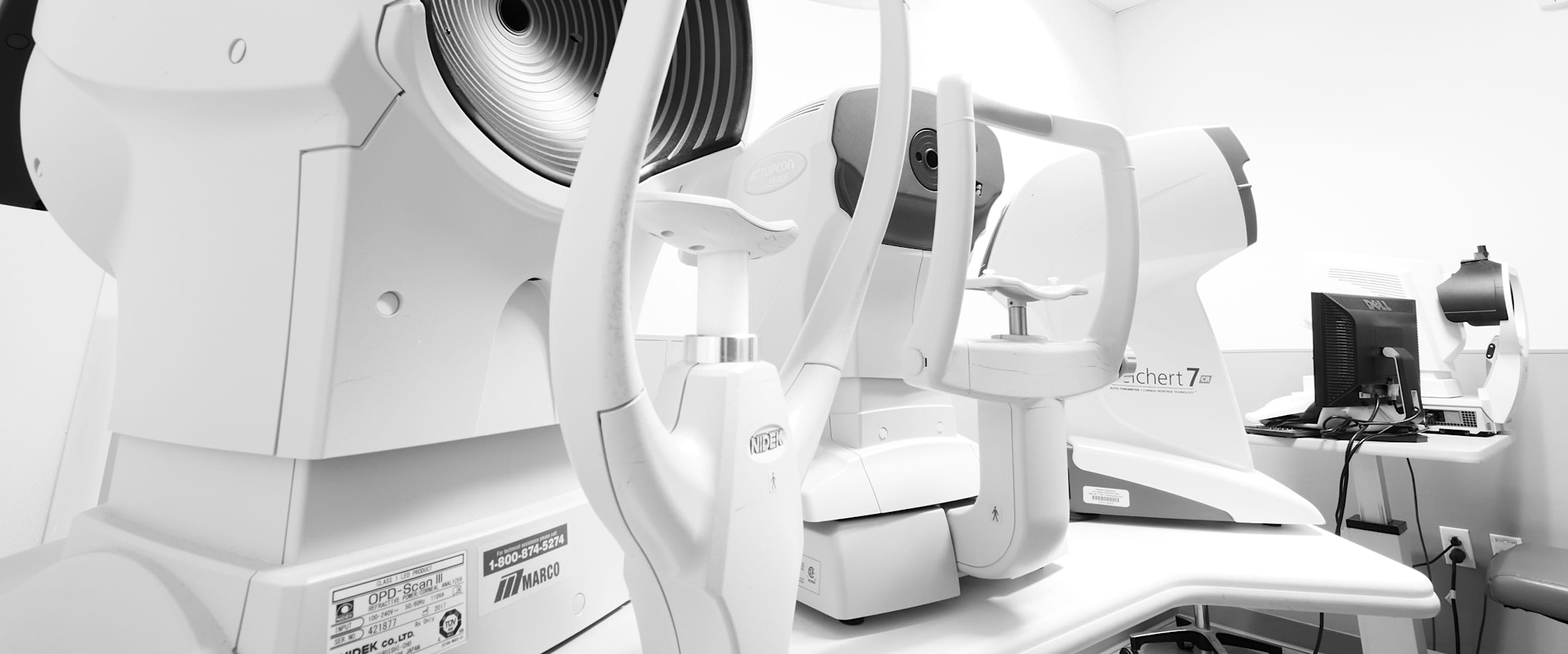
Refractive Lens Exchange (RLE), sometimes called clear lens extraction, is a procedure where your natural lens is replaced with a custom intraocular lens (IOL). Unlike cataract surgery, the lens being replaced is clear but contributes to refractive errors like nearsightedness, farsightedness, astigmatism, or age-related presbyopia.

RLE can reduce or eliminate dependence on glasses or contact lenses, while also potentially preventing future vision changes from cataracts.

What is Refractive Lens Exchange (RLE)?

video thumbnail

Why Choose Eye Surgeons of Indiana for RLE?

Our surgeons are recognized for expertise in advanced lens-based vision correction procedures. Every patient who comes to us seeking custom lens replacement in Indianapolis receives individualized care, including:

  • Board-certified surgeons with extensive experience in lens surgery
  • State-of-the-art diagnostic testing for optimal lens selection
  • Personalized lens options, including multifocal and Light Adjustable IOLs
  • Comprehensive pre- and post-operative care to maximize outcomes
  • Long-term vision management for clear sight and lasting results

Schedule a Consultation

Contact Us

Clear Lens Exchange What to Expect

Personalized Lens Selection

Before RLE, we evaluate your eyes to determine the best intraocular lens for your visual needs, lifestyle, and prescription. Several types of lenses are available. These are further discussed on our IOL Options page.

Safe, Precise Surgery

RLE is performed under local anesthesia in an outpatient setting. The natural lens is removed and replaced with an IOL, using advanced micro-incision techniques for precision and safety.

Quick Recovery

This is a quick outpatient procedure. Mild eye irritation or blurred vision is normal initially, but improvement is typically noticeable within a few days.

Long-Term Vision Control

By replacing the natural lens, RLE can address both refractive errors and presbyopia, the loss of near vision. Many patients enjoy a significant reduction in dependence on glasses or contact lenses for years.

Who Is a Good Candidate for RLE?

Ideal patients seeking RLE:

  • Are 45 or older and experiencing difficulty with near vision
  • Have high prescriptions not suitable for LASIK or PRK
  • Desire long-term reduction of glasses or contact lens dependence
  • Have healthy eyes without active disease that could affect surgery
  • Are seeking a preventative approach for age-related vision changes

A comprehensive consultation ensures RLE is the best solution for your eyes and lifestyle.

Banner media

Rapid Recovery

Full stabilization of vision may take a few weeks, but most patients notice dramatic improvement almost immediately. During the first few days, eyes may feel mildly irritated or sensitive to light. Your surgeon will provide specific post-operative instructions, including:

  • Taking prescription eye drops to reduce inflammation and prevent infection
  • Avoiding rubbing your eyes for several weeks
  • Resuming normal activities gradually as advised
  • Attending scheduled follow-up visits to ensure optimal lens function

Real-World Results

Clinical studies and real-world experience show RLE can significantly reduce or eliminate dependence on glasses or contact lenses, while correcting nearsightedness, farsightedness, astigmatism, and presbyopia. Many patients enjoy sharper, brighter vision with enhanced clarity and depth perception.

I am happy with my care. They are compassionate, knowledgeable and caring.

L.J.

Professional & friendly all the way from 
check-in to surgeon. Best run office I’ve ever been to. Surgery & sight as promised.

Anne H.

Had a visit with Dr. Morrow today and he was very thorough and helpful. I’d recommend this establishment to anyone.

Aron J.

Very efficient. Wait time limited and they 
got me in quickly. Went above and beyond to make sure I was attended to.

MJ K.

Very good experience. The best part was meeting the team everyone was so friendly. And I like the Dr I had. He was very thorough.

Delores B.

I am thrilled with the level of service that 
I have received. All staff members have been excellent to work with.

Clay O.
Read More Real Patient Reviews

What Lenses are Available for RLE?

You will discuss the best intraocular lens (IOL) option with your eye doctor before surgery; the following are some of our best options.

Monofocal IOL

 Provides clear vision at one distance, usually far; reading glasses are often needed.

Toric IOL

Corrects astigmatism and is available in monofocal, EDOF, and multifocal designs.

Extended Depth of Focus (EDOF) IOL

Offers a continuous range of vision from distance to intermediate with fewer night-vision side effects.

Multifocal IOL:

Provides near, intermediate, and distance vision to reduce dependence on glasses, though halos and glare may occur.

Light Adjustable Lens

Allows your surgeon to adjust and refine your vision after cataract surgery using targeted UV light treatments.

Refractive Lens Exchange Frequently Asked Questions

Is RLE safe?

Yes. RLE is a proven, widely performed procedure with a safety profile similar to cataract surgery.

Does RLE hurt?

No. Local anesthesia and numbing drops ensure a comfortable, virtually painless experience.

How long does the procedure take?

Typically, 20–30 minutes per eye in an outpatient setting. Expect to spend a couple of hours at our Indianapolis Surgery Center for pre- and post-operative care before you return home.

Will I still need glasses after RLE?

Some patients may need reading glasses depending on their lens choice, but most experience a significant reduction in dependence on corrective lenses.

Is RLE permanent?

Yes. The intraocular lens replaces your natural lens permanently, providing lasting vision correction.

Can RLE prevent cataracts?

Yes. Since the natural lens is removed, RLE eliminates the future risk of cataracts in that eye.

Accessibility: If you are vision-impaired or have some other impairment covered by the Americans with Disabilities Act or a similar law, and you wish to discuss potential accommodations related to using this website, please contact our Accessibility Manager at 317-564-9077.
Contact Us