Discover Clear Vision and Comfort

At Eye Surgeons of Indiana, our corneal specialists combine advanced surgical techniques with compassionate care to help patients regain clarity and comfort. DSAEK (Descemet’s Stripping Automated Endothelial Keratoplasty) offers a targeted approach for treating endothelial corneal disease, allowing patients to see clearly while experiencing a faster, safer recovery.

DSEK: Overview

two women talking

What Is DSAEK?

DSAEK is a type of endothelial keratoplasty, a procedure that replaces only the inner layer of the cornea, known as the endothelium, along with its supporting membrane (Descemet’s membrane). This layer is responsible for keeping the cornea clear by pumping excess fluid out. When it fails due to conditions like Fuchs’ dystrophy or corneal swelling, vision becomes cloudy and distorted.

Unlike full-thickness corneal transplants, DSAEK preserves most of your healthy cornea, reducing recovery time and surgical risk. The damaged endothelium is replaced with healthy donor tissue using precise, minimally invasive techniques.
Why Choose Eye Surgeons of Indiana?

Our corneal surgeons are board-certified experts in advanced corneal procedures, including DSAEK. We focus on the following:

Patient comfort and understanding

We explain each step and answer all questions, ensuring you feel confident in your treatment plan.

Minimally invasive techniques

DSAEK uses smaller incisions and targets only the diseased tissue, reducing healing time and improving outcomes.

State-of-the-art technology

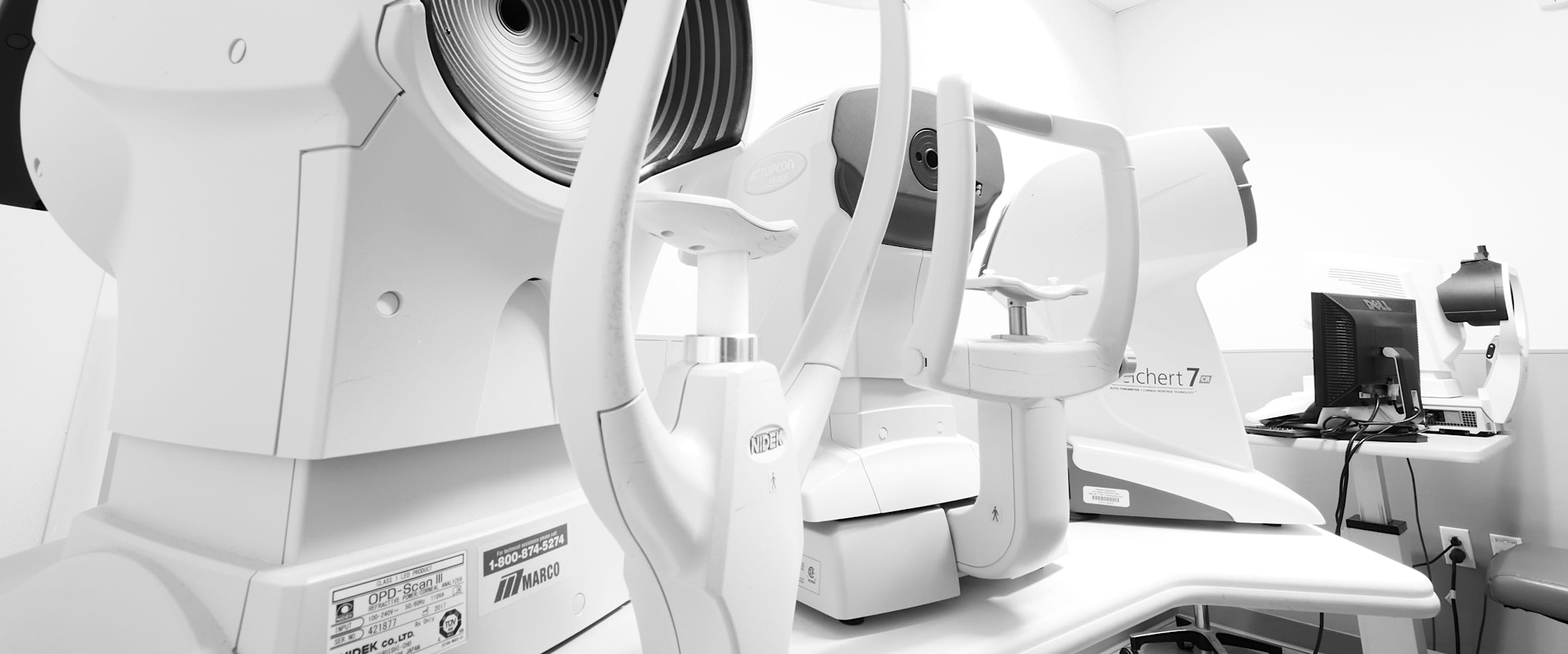
Our operating microscopes and microsurgical instruments allow precise placement of donor tissue.

Long-term vision management

We prioritize ongoing monitoring to detect early signs of rejection or complications and support lifelong eye health.

Personalized care

Every patient receives a tailored surgical plan and detailed postoperative instructions to maximize success.

Preparing for Surgery

Before DSAEK, a thorough evaluation ensures your eyes are healthy enough for surgery. This includes measuring corneal thickness, assessing overall eye health, and discussing your vision goals. Your surgeon will explain what to expect and answer questions about recovery and outcomes.

Removing the Diseased Layer

DSAEK begins with carefully removing your damaged endothelium and Descemet’s membrane. This is done through a small incision at the edge of the cornea.

Unlike full-thickness transplants, only the inner layers are replaced, which preserves your natural cornea structure.

Banner media

Schedule a Consultation

Contact Us

Preparing Donor Tissue

The donor tissue is carefully prepared, and an incision is created using automated microkeratome technology, essentially a small, computerized device, to ensure the exact thickness required. The tissue graft includes healthy endothelial cells and Descemet’s membrane, which are critical for restoring proper corneal hydration and clarity.

Implanting the Donor Tissue

The donor tissue is inserted into the eye through a small incision and gently positioned against the back surface of your cornea. An air bubble is used to hold the tissue in place while it adheres naturally. Your surgeon carefully monitors placement to ensure optimal contact and alignment. The tiny air pocket will slowly dissolve over the next one to five days, acting as a pressure bandage in the interim.

Closing and Protection

Once the tissue is positioned, the incision is typically self-sealing or closed with a tiny suture if needed. A protective shield may be placed over your eye to safeguard it during the initial healing period.

Rest Is Key to Recovery

DSAEK recovery is generally faster than full-thickness corneal transplants, but following your surgeon’s instructions is critical:

  • Positioning: You may be asked to lie on your back for several hours after surgery to help the donor tissue adhere.
  • Eye drops: Medications, including steroids and antibiotics, reduce inflammation and prevent infection.
  • Activity restrictions: Avoid rubbing your eyes, heavy lifting, or vigorous exercise for several weeks.
  • Follow-up visits: Regular monitoring ensures the donor tissue remains healthy and detects early signs of rejection or complications.

Most patients notice improved vision within several weeks, although it can take a few months for vision to stabilize fully.

I am happy with my care. They are compassionate, knowledgeable and caring.

L.J.

Professional & friendly all the way from 
check-in to surgeon. Best run office I’ve ever been to. Surgery & sight as promised.

Anne H.

Had a visit with Dr. Morrow today and he was very thorough and helpful. I’d recommend this establishment to anyone.

Aron J.

Very efficient. Wait time limited and they 
got me in quickly. Went above and beyond to make sure I was attended to.

MJ K.

Very good experience. The best part was meeting the team everyone was so friendly. And I like the Dr I had. He was very thorough.

Delores B.

I am thrilled with the level of service that 
I have received. All staff members have been excellent to work with.

Clay O.
Read More Real Patient Reviews

Wake Up to a Brand New World

DSAEK is highly effective for restoring vision in patients with endothelial dysfunction. Benefits include:

  • Clearer vision and improved contrast when compared to before surgery
  • Faster recovery than full-thickness transplants
  • Reduced risk of rejection compared to penetrating keratoplasty
  • Preservation of corneal structure for long-term eye health

Am I a Candidate for DSAEK?

You may be a candidate if you have:

  • Fuchs’ endothelial dystrophy or other corneal endothelial disorders
  • Corneal swelling or clouding that affects vision
  • Pain or discomfort from corneal edema
  • No active eye infections or severe ocular surface disease

Our Eye Surgeons of Indiana team will evaluate your cornea, overall eye health, and medical history to determine if DSAEK is the right option for you.

Banner media

Importance of Continued Care

Even though DSAEK has high success rates, long-term follow-up is essential. Donor tissue can occasionally fail or be rejected years after surgery. Regular eye exams help detect any changes early, allowing timely intervention to preserve your vision.

DSAEK Frequently Asked Questions

How long does it take to recover from DSAEK?

Most patients notice improved vision within a few weeks, but full visual stabilization can take several months.

Is DSAEK painful?

Surgery is generally performed under eye-drop anesthesia with additional medicine administered by vein for sedation. Some mild discomfort or foreign-body sensation may occur postoperatively but is manageable with medications.

Can my body reject the donor tissue?

While rare, rejection can occur. Early detection through regular follow-ups ensures prompt treatment and preservation of vision.

How long does the donor tissue last?

With proper care, DSAEK grafts can function for many years. Ongoing monitoring ensures continued health and clarity.

Accessibility: If you are vision-impaired or have some other impairment covered by the Americans with Disabilities Act or a similar law, and you wish to discuss potential accommodations related to using this website, please contact our Accessibility Manager at 317.564.9077.
Contact Us