Understanding Cataracts

Cataracts develop when the natural lens of the eye becomes cloudy, causing blurry vision, light sensitivity, or difficulty seeing at night. While age is the most common risk factor, cataracts can also form due to genetics, certain medications, medical conditions, or prolonged exposure to ultraviolet (UV) light. Preventing or slowing cataract formation begins with understanding these risk factors and making choices that support overall eye health.

What Are Cataracts?

Video Thumbnail

Lifestyle Habits That Support Eye Health

Maintaining healthy habits is one of the most effective ways to reduce your risk of cataracts.

Protect Your Eyes From UV Light

Wearing sunglasses that block 100% of UVA and UVB rays can help protect your lenses from UV-related damage. Wide-brimmed hats add an extra layer of protection when outdoors.

Eat a Nutrient-Rich Diet

Diets rich in antioxidants, vitamins C and E, lutein, and zeaxanthin support lens health. Leafy greens, colorful vegetables (think yellow and orange), citrus fruits, nuts, and seeds are excellent choices.

Maintain a Healthy Weight and Blood Sugar

Diabetes increases the risk of cataracts. Regular exercise and monitoring blood sugar levels help protect your eyes and overall health.

Quit Smoking

Smoking has been linked to earlier cataract development. Quitting reduces oxidative stress on the lens.

Limit Alcohol Intake

Excessive alcohol consumption may increase cataract risk, so moderation is important.

Regular Eye Exams Are Key

Cataracts often develop gradually, and early stages may not noticeably affect vision. Comprehensive eye exams are essential for detecting lens changes before significant vision loss occurs. Eye Surgeons of Indiana recommends annual exams for adults over 50 or more frequent visits if you have risk factors such as diabetes, a family history of cataracts, or prior eye injury.

During these exams, our board-certified ophthalmologists or optometrists will perform a detailed assessment of the lens, retina, and cornea. Early detection allows us to monitor changes, provide guidance, and intervene when appropriate to preserve your vision.

Schedule a Consultation

Contact Us

Managing Medications and Health Conditions

Certain medications and medical conditions can accelerate cataract formation:

  • Steroid Medications: Long-term use of oral or inhaled steroids may increase cataract risk. Discuss alternatives with your doctor if possible.
  • Diabetes and Other Chronic Conditions: High blood sugar damages the lens over time. Proper management of diabetes and systemic health conditions can slow cataract progression.

Our team works with your primary care physicians and specialists to ensure your eye health is coordinated with your overall medical care.

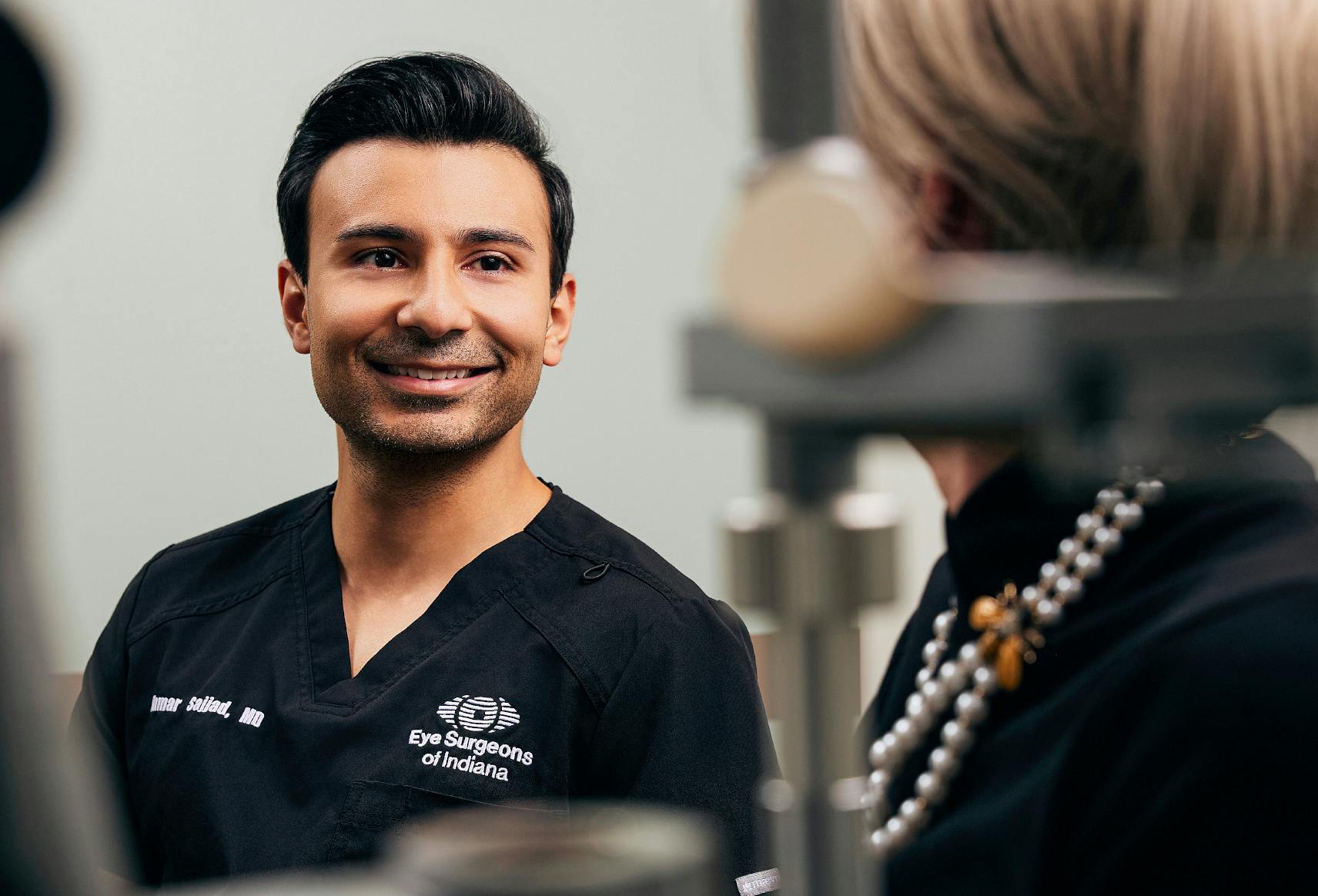
doctor smiling at a patient

Eye Protection in Daily Life

Physical trauma to the eye earlier in life can increase the risk of cataracts later in life. Protective eyewear during sports, home improvement projects, or any activity with flying debris is strongly recommended. Even minor injuries can contribute to lens clouding years down the line.

Nutritional and Supplemental Support

Research suggests that certain nutrients can help maintain lens clarity and reduce oxidative stress:

  • Vitamin C: Found in citrus fruits, strawberries, and bell peppers, it supports collagen and lens health.
  • Vitamin E: Nuts, seeds, and green leafy vegetables provide antioxidant protection.
  • Lutein and Zeaxanthin: Found in kale, spinach, and eggs, these carotenoids are concentrated in the lens and retina.
  • Omega-3 Fatty Acids: Fatty fish and flaxseeds support overall eye function.

Our team can guide diet, supplements, and lifestyle changes to help preserve your vision for the long term.

Lifestyle Strategies to Maintain Vision Clarity

Limit Exposure to Environmental Toxins

Air pollution and smoke can contribute to oxidative stress in the eyes.

Take Breaks From Screens

Extended screen time can cause eye strain, though it doesn’t directly cause cataracts; managing eye comfort supports overall health.

Stay Active

Regular exercise improves blood flow to the eyes and helps manage systemic conditions linked to cataract development.

Signs You May Already Have Cataracts

Cataracts often develop slowly, so early changes can be easy to miss. Common signs that your vision may be affected include:

  • Cloudy, blurry, or dim vision
  • Difficulty seeing at night or while driving in low light
  • Sensitivity to glare or bright sunlight
  • Seeing halos around lights
  • fading or yellowing of colors
  • Double vision in one eye

If you notice any of these changes, scheduling a comprehensive eye exam with Eye Surgeons of Indiana can help determine whether cataracts are present and discuss your options for treatment or prevention.

I am happy with my care. They are compassionate, knowledgeable and caring.

L.J.

Professional & friendly all the way from 
check-in to surgeon. Best run office I’ve ever been to. Surgery & sight as promised.

Anne H.

Had a visit with Dr. Morrow today and he was very thorough and helpful. I’d recommend this establishment to anyone.

Aron J.

Very efficient. Wait time limited and they 
got me in quickly. Went above and beyond to make sure I was attended to.

MJ K.

Very good experience. The best part was meeting the team everyone was so friendly. And I like the Dr I had. He was very thorough.

Delores B.

I am thrilled with the level of service that 
I have received. All staff members have been excellent to work with.

Clay O.
Read More Real Patient Reviews

When Cataracts Are Already Present

Even with preventive strategies, cataracts may eventually develop. The good news is that modern cataract surgery is highly effective and tailored to your vision goals. Eye Surgeons of Indiana offers the most advanced surgical techniques, including premium Intraocular Lens (IOL) options and laser-assisted cataract surgery, helping patients regain sharp, functional vision with minimum downtime.

The Long-Term View of Eye Health

At Eye Surgeons of Indiana, we believe eye care is a lifelong journey, not a single procedure. Our approach emphasizes patient education, preventive strategies, and ongoing monitoring. By partnering with you early, before cataracts significantly affect your vision, we can provide strategies to maintain clarity, comfort, and independence for years to come.

Accessibility: If you are vision-impaired or have some other impairment covered by the Americans with Disabilities Act or a similar law, and you wish to discuss potential accommodations related to using this website, please contact our Accessibility Manager at 317.564.9077.
Contact Us