Advanced, Compassionate Care for Every Stage of Glaucoma

Eye Surgeons of Indiana doctors combine advanced diagnostic technology with a personalized, whole-person approach to help you protect the sight you rely on every day. Here, your care is never rushed; every recommendation is made with the same attention and integrity we would want for our own families. With decades of earned trust in Indiana, our team is here to guide you through each step, so you feel informed, supported, and confident in your path forward.

What Is Glaucoma?

Glaucoma typically develops when pressure builds inside the eye, known as intraocular pressure (IOP). Over time, elevated pressure can weaken and damage the optic nerve.

While anyone can develop glaucoma, certain factors such as age, family history, high eye pressure, thin corneas, or medical conditions like diabetes, can increase risk. Although glaucoma cannot be cured, modern treatments can significantly slow or stop progression, safeguard your optic nerve, and maintain your visual quality of life.


Banner media

Our Approach to Glaucoma Care

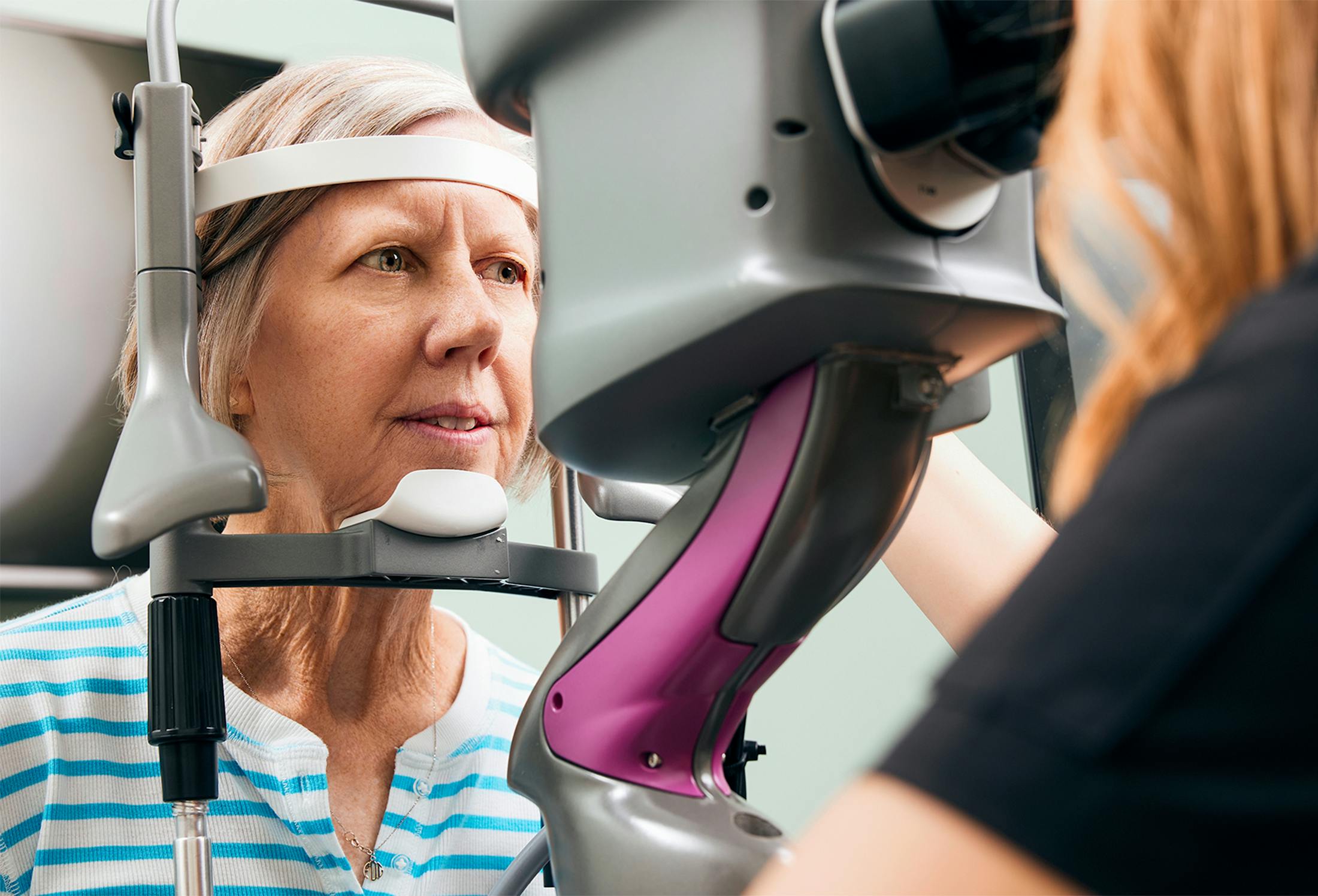
No two patients experience glaucoma in the same way. That’s why we tailor every treatment plan to the type and severity of glaucoma, your overall eye health, and your lifestyle. We use state-of-the-art imaging, visual field testing, and pressure-measurement tools to precisely track changes over time. Whether you are newly diagnosed or have been managing glaucoma for years, our priority is simple: to protect your vision using the safest, most effective therapies available today.

Schedule a Consultation

Contact Us

Glaucoma Treatments We Offer

Below is an overview of the advanced glaucoma treatments available at Eye Surgeons of Indiana. Each option has its own dedicated service page for deeper detail, but this summary helps you understand what may be recommended depending on your individual needs.

Minimally Invasive Glaucoma Surgery (MIGS)

MIGS refers to a collection of newer, less-invasive surgical techniques, including many of the options above, that safely lower pressure with minimal downtime. MIGS procedures are designed for patients with mild to moderate glaucoma who want to reduce medication use while preserving their vision long-term.

iDose

iDose TR is a tiny, sustained-release implant placed inside the eye during a straightforward, minimally invasive procedure. It continuously delivers medication to control eye pressure, reducing or eliminating the need for daily glaucoma drops.

iStent

The iStent is one of the smallest medical implants available and works like a tiny plumbing device, a microscopic “pipe” inside your eye’s drainage pathway. It helps lower eye pressure and is typically placed during cataract surgery for a convenient, combined treatment.

OMNI

OMNI opens the eye’s small drainage canals, the central outflow canal (called Schlemm’s canal), and clears the trabecular meshwork (spongy drainage tissue) of stoppages, targeting multiple areas of resistance at once. This highly precise, three-in-one approach can be performed with or without cataract surgery to effectively address glaucoma.

Hydrus Stent

The Hydrus stent is a flexible, microscopic device inserted into the eye’s drainage canal to improve long-term fluid outflow. Combined with cataract surgery, it has been shown to lower pressure and reduce dependence on eye drops.

Goniotomy

Goniotomy is a minimally invasive procedure that removes a minuscule section of the eye’s natural drainage tissue around the iris to help fluid exit more freely.

Selective Laser Trabeculoplasty (SLT)

No two patients experience glaucoma in the same way. That’s why we tailor every treatment plan to the type and severity of glaucoma, your overall eye health, and your lifestyle. We use state-of-the-art imaging, visual field testing, and pressure-measurement tools to precisely track changes over time. Whether you are newly diagnosed or have been managing glaucoma for years, our priority is simple: to protect your vision using the safest, most effective therapies available today.

I am happy with my care. They are compassionate, knowledgeable and caring.

L.J.

Professional & friendly all the way from 
check-in to surgeon. Best run office I’ve ever been to. Surgery & sight as promised.

Anne H.

Had a visit with Dr. Morrow today and he was very thorough and helpful. I’d recommend this establishment to anyone.

Aron J.

Very efficient. Wait time limited and they 
got me in quickly. Went above and beyond to make sure I was attended to.

MJ K.

Very good experience. The best part was meeting the team everyone was so friendly. And I like the Dr I had. He was very thorough.

Delores B.

I am thrilled with the level of service that 
I have received. All staff members have been excellent to work with.

Clay O.
Read More Real Patient Reviews

Video Thumbnail

What Are My Options to Treat Glaucoma? - Branden Shaffer, OD

Video Thumbnail

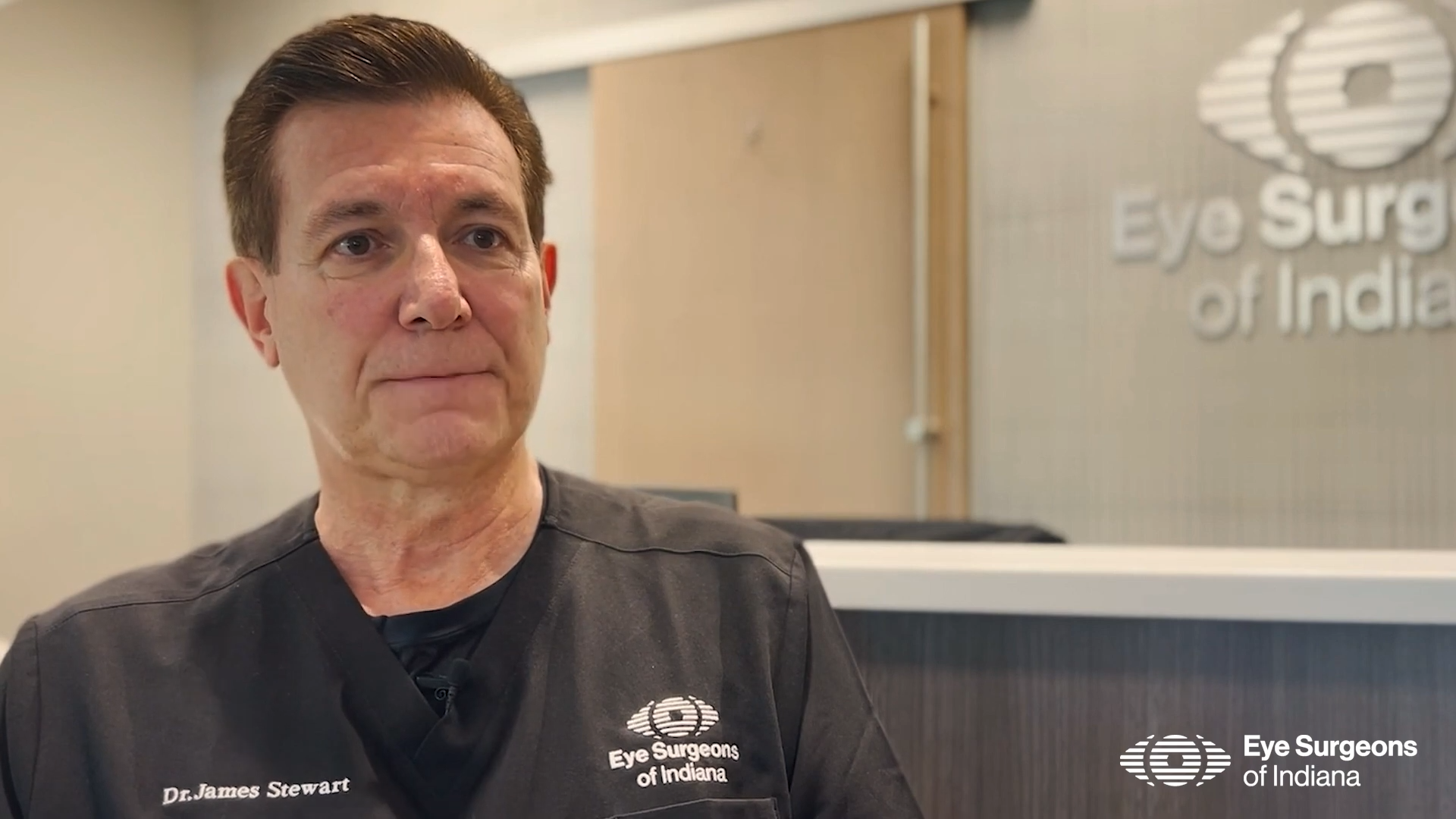
Glaucoma & Glaucoma Treatment (SLT) - James Stewart, OD, FAAO

Glaucoma - Eye Surgeons of Indiana

“Over the past 5 to 10 years, there’s been a revolution in glaucoma surgery. It has been miniaturized and can now be done at the very same time as cataract surgery.”

Dr. Anthony Lombardo

Glaucoma Surgery Frequently Asked Questions

How do I know if I need glaucoma surgery?

Your doctor may recommend a surgical option if eye drops and medications are no longer controlling your eye pressure well enough. The goal of glaucoma surgery is to prevent vision loss, not to restore vision that’s already gone.

Is glaucoma surgery painful?

Most glaucoma procedures, including MIGS, SLT, and drug delivery devices, are minimally invasive and well-tolerated. Patients typically feel pressure or mild discomfort but not significant pain. Your eye will be numbed during the procedure to keep you comfortable.

How long does recovery take after glaucoma surgery?

Recovery depends on the procedure. MIGS and SLT typically have fast recovery times, and many patients resume normal activities within a couple of days. More advanced procedures may require longer healing times. Your doctor will give clear post-care instructions tailored to your treatment plan.

Will glaucoma surgery improve my vision?

Glaucoma treatments, whether drops, laser, or surgery, do not restore lost vision. Their goal is to prevent further damage by lowering eye pressure. Early diagnosis and consistent care are the best ways to preserve your vision throughout your lifetime.

What are MIGS procedures?

MIGS stands for Minimally Invasive Glaucoma Surgery. These treatments, such as iStent, Hydrus, OMNI, and goniotomy, reduce eye pressure with tiny instruments and small incisions. They are often paired with cataract surgery and offer faster healing and lower risk compared to traditional glaucoma surgeries.

Are glaucoma treatments safe?

Modern glaucoma treatments, especially MIGS and SLT, have excellent safety profiles and are FDA-approved. Your eye surgeon will carefully evaluate your eye health, medical history, and the type of glaucoma you have to determine the safest option.

What happens if glaucoma isn’t treated?

Untreated glaucoma can lead to progressive, permanent vision loss. It usually starts with peripheral (side) vision and moves inward. Because symptoms are subtle at first, many people do not realize they have glaucoma until damage has occurred, another reason routine eye exams are essential.

Accessibility: If you are vision-impaired or have some other impairment covered by the Americans with Disabilities Act or a similar law, and you wish to discuss potential accommodations related to using this website, please contact our Accessibility Manager at 317-841-2020.
Contact Us