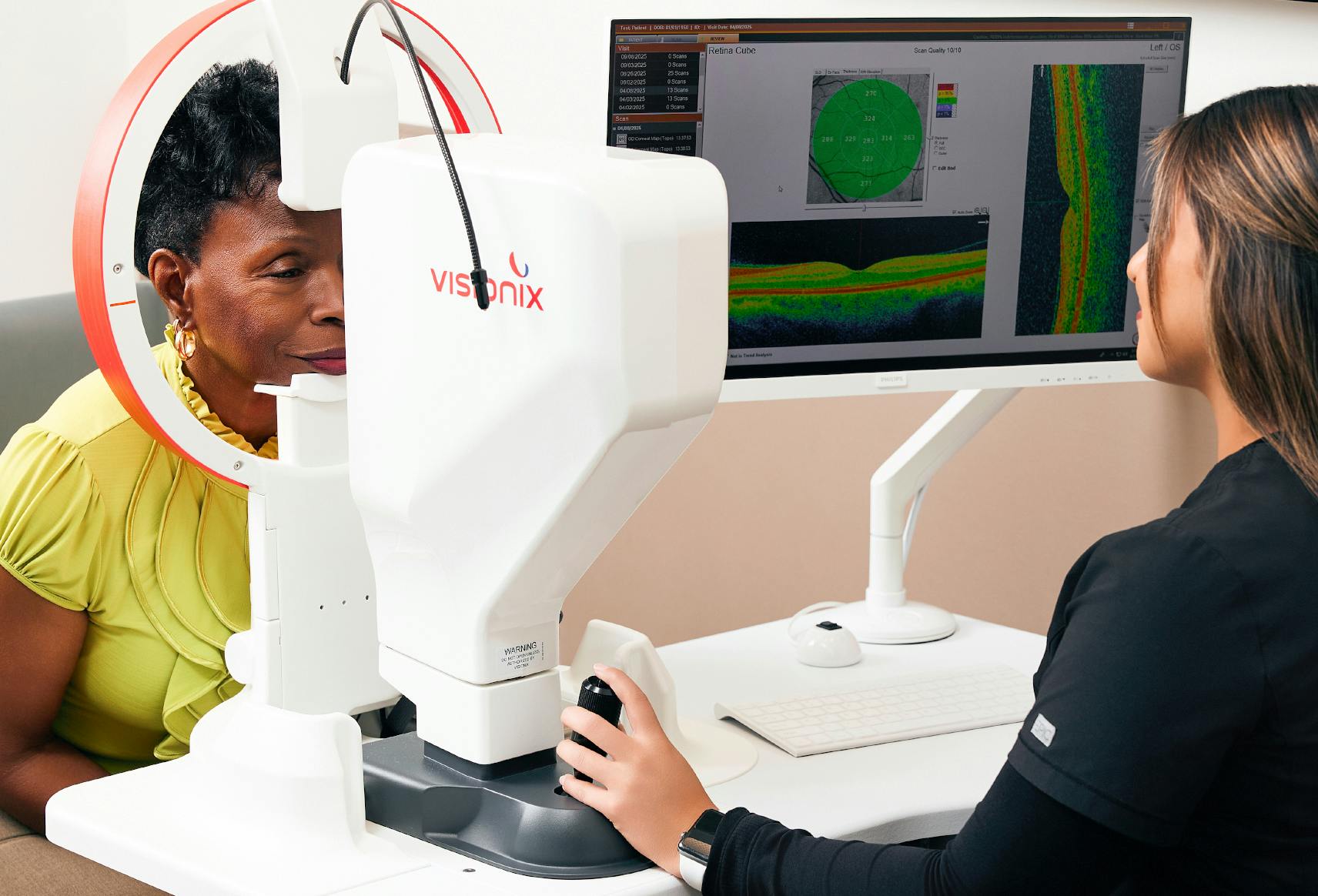
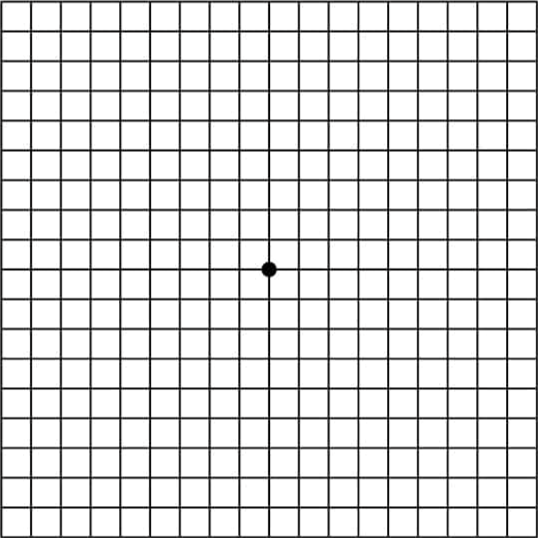
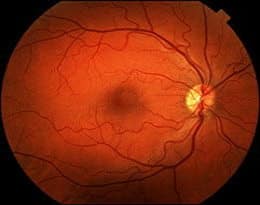
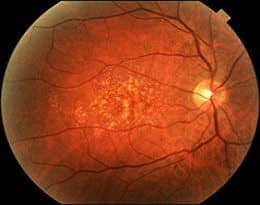
People who are at risk for developing AMD should have a dilated eye exam once a year. Early changes indicating macular degeneration can often be detected by eye care professionals before any symptoms occur. Smoking is the most significant controllable risk factor for macular degeneration. Anyone with macular degeneration or a family history of macular degeneration should definitely not smoke. Eating healthy, controlling blood pressure, exercising regularly, and wearing sunglasses that filter UV light all likely decrease the risk of developing macular degeneration.
Vitamin supplements for the eye, specifically anti-oxidants (Beta-carotene, vitamins C and E) and zinc, have been shown in a large clinical study to be effective at slowing macular degeneration progression. Patients who have early to moderate AMD should be taking an over-the-counter vitamin supplement such as Ocuvite Preservision, Icaps, or Viteyes. Only an eye care professional can determine if someone is likely to benefit from this type of supplement. Smokers or former smokers should take a supplement without beta-carotene, as this can increase the risk of lung cancer in these individuals.
There is a large clincal trial investigating the relationship between Omega-3 fatty acids (fish oil, etc.) and AMD. Some small studies have shown a decrease in AMD progression with this type of supplement. Lutein, found in spinach, kale and in vitamin supplements, has also been shown to slow AMD.
Millions of dollars each year are spent investigating better ways to treat, and perhaps eventually cure, AMD. Clinical trials investigating treatment of both dry and wet AMD are ongoing.