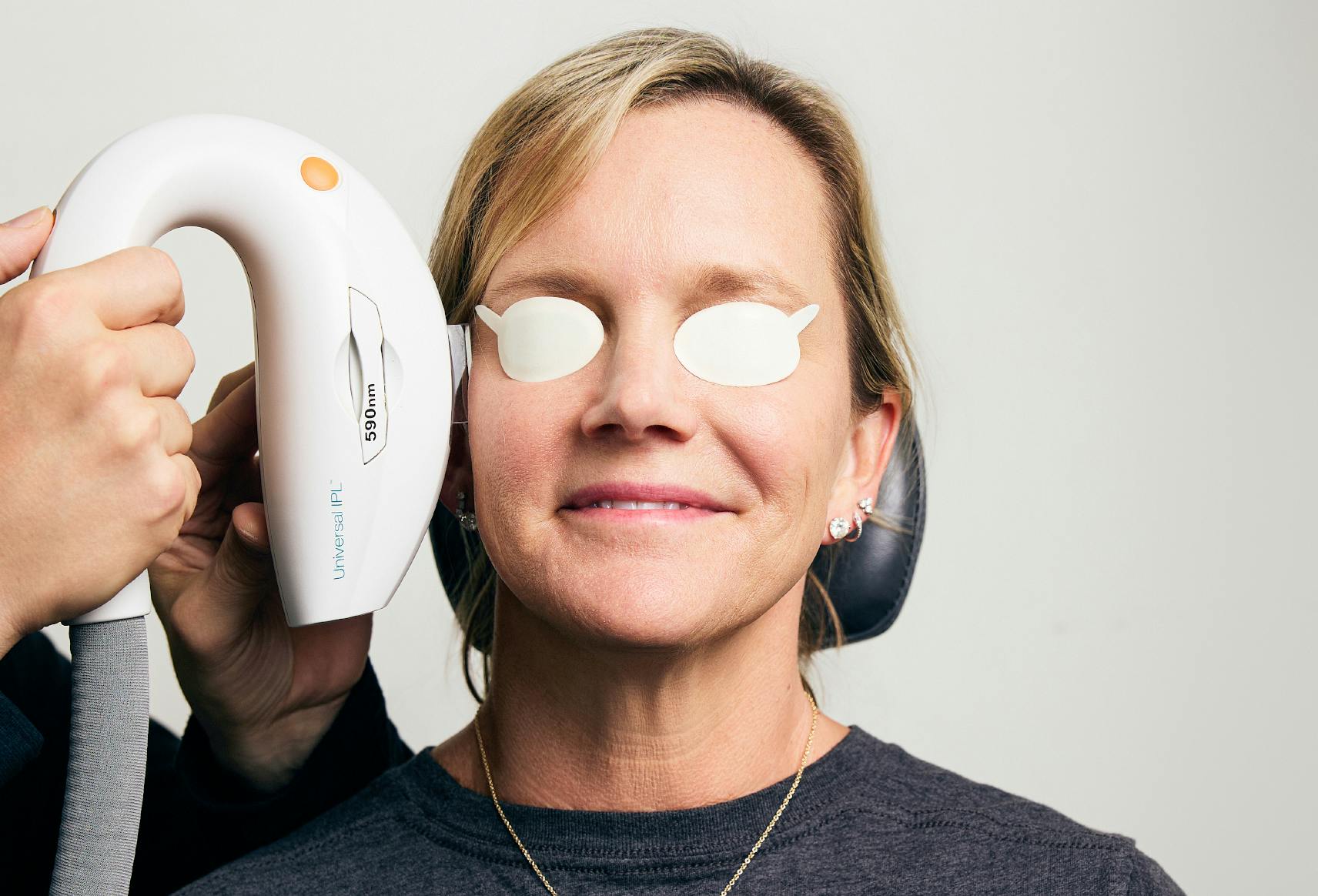
What causes dry eyes?

Meibomian gland dysfunction (MGD) is a common eye condition that triggers dry eyes. Left untreated, dry eye syndrome can cause fatigue, redness, blinking, itchiness, and blurred vision. The sooner you get dry eye treatment in Indianapolis with our team, the better. There are various factors that can increase your risk of getting MGD:

  • Age: Dry eye is a part of the natural aging process. The majority of people over age 65 experience some symptoms of dry eyes.
  • Gender: Women are more likely to develop dry eyes due to hormonal changes caused by pregnancy, the use of oral contraceptives, and menopause. Keep in mind, however, MGD is common among all genders.
  • Medications: Certain medicines, including antihistamines, decongestants, blood pressure medications and antidepressants, can reduce the amount of tears produced in the eyes
  • Medical Conditions: Persons with rheumatoid arthritis, diabetes and thyroid problems are more likely to have symptoms of dry eyes. Also, problems with inflammation of the eyelids (blepharitis), inflammation of the surfaces of the eye, or the inward or outward turning of eyelids can cause dry eyes to develop.
  • Eyelid Hygiene: Often debris from the eyelashes and the lid margins are the culprit of contributing to MGD. Lid hygiene is key to maintaining health of the meibomian glands and surface of the eye so both the lashes and lid margins should be cleaned regularly.
  • Environmental Conditions: Exposure to smoke, wind, ceiling fans, and dry climates can increase tear evaporation resulting in dry eye symptoms. Failure to blink regularly, such as when staring at a computer or phone screens for long periods of time, can also contribute to drying of the eyes.
  • Other Factors: Long term use of contact lenses can be a factor in the development of dry eyes. Refractive eye surgeries, such as LASIK, can cause decreased tear production and dry eyes.

How is dry eye and MGD diagnosed?

Dry eye syndrome and MGD can be diagnosed through a comprehensive eye examination. Testing, with special emphasis on the evaluation of the quantity and quality of tears produced by the eyes and proper gland function may include:

  • Patient history
  • External examination of the eye, including lid structure and blink dynamics
  • Evaluation of the eyelids and cornea using bright light and magnification
  • Measurement of the quantity and quality of tears for any abnormalities
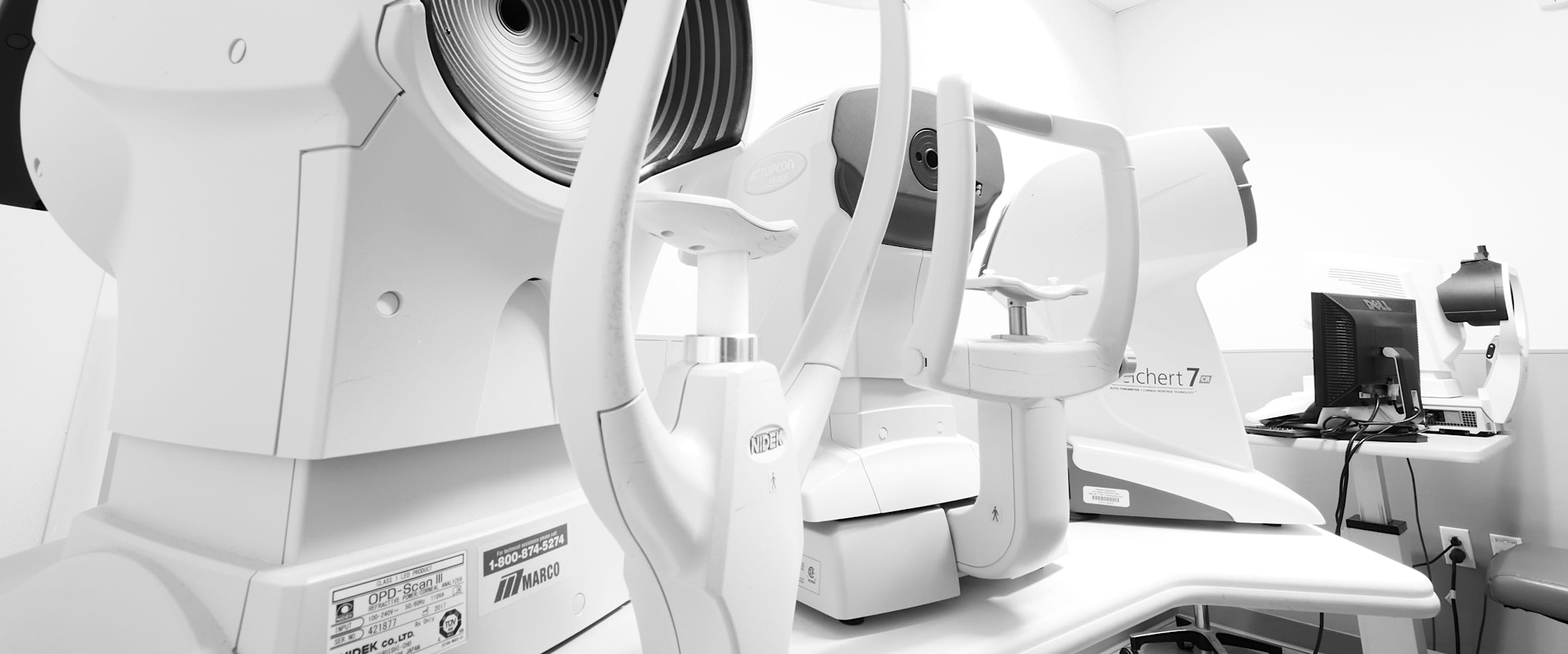
  • Dynamic Meibomian Imaging to assess the health of the meibomian glands
  • Tear testing to look for high salt content (hyperosmolarity) or inflammatory markers on the surface of the eye
Banner media

I am happy with my care. They are compassionate, knowledgeable and caring.

L.J.

Professional & friendly all the way from 
check-in to surgeon. Best run office I’ve ever been to. Surgery & sight as promised.

Anne H.

Had a visit with Dr. Morrow today and he was very thorough and helpful. I’d recommend this establishment to anyone.

Aron J.

Very efficient. Wait time limited and they 
got me in quickly. Went above and beyond to make sure I was attended to.

MJ K.

Very good experience. The best part was meeting the team everyone was so friendly. And I like the Dr I had. He was very thorough.

Delores B.

I am thrilled with the level of service that 
I have received. All staff members have been excellent to work with.

Clay O.
Read More Real Patient Reviews

86% of Patients with Dry Eye Have MGD. It’s Treatable.

When the meibomian glands, the tiny glands located in the eyelids, do not sufficiently produce and release the oils needed for protecting and ensuring a healthy tear film, this is known as MGD. Often over time, due to a lack of blinking or general debris in the eye, these glands become blocked and stop producing the needed oil to protect the watery layer of the tear film. speedTest Early diagnosis is essential because if left untreated, the glands will deteriorate over time and there is no way to recover from gland loss. Getting MGD treatment as soon as possible will help protect stressed but still-functional meibomian glands.

MGD can occur at any age but is more prevalent in adults over 40. The increase of MGD is largely due to the common use of digital display devices today as we are teaching ourselves to blink less creating “evaporative stress”. Over time, the oil in the glands thickens, creating blockages of the gland opening and often oil production ceases.

Treating MGD

iLux

iLux is a handheld device that applies heat and compression under direct visualization to remove gland blockages.

LipiFlow

LipiFlow is an automated procedure that uses thermal heat pulsation to liquefy gland blockages and a light massaging action to remove those blockages.

TearCare

TearCare delivers adjustable heat via an adhesive device that is placed on the upper and lower eyelids. Manual gland expression is performed after the contents of the glands have liquefied.

Schedule a Consultation

Contact Us

Why Choose Us?

Eye Surgeons of Indiana specializes in high-quality eye care in a caring and relaxing environment. Whatever eye condition you’re facing, our board-certified ophthalmologists and optometrists strive to provide you with the best dry eye treatment in Indianapolis.

Experience

Our team has performed over 100,000 procedures in the last 26 years, boasting complication rates well below the national average.

Technology

We use the finest lasers and specialty lenses, proven medical therapies, and cutting-edge digital imaging equipment.

Total Patient Comfort

Get treated in surgical suites and recovery rooms designed with your needs and comfort in mind.

Accessibility: If you are vision-impaired or have some other impairment covered by the Americans with Disabilities Act or a similar law, and you wish to discuss potential accommodations related to using this website, please contact our Accessibility Manager at 317.841.2020.
Contact Us