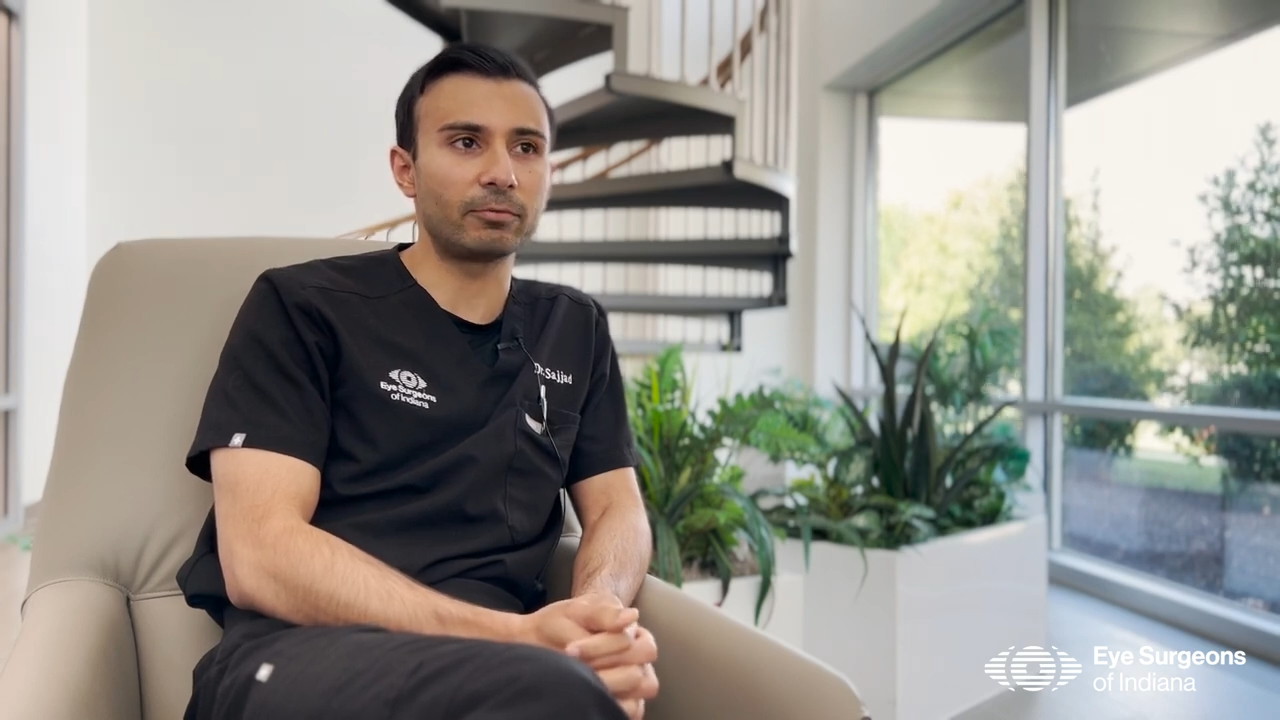
Understanding Fuchs’ Dystrophy

Fuchs’ dystrophy is a progressive eye condition that affects the endothelium, the innermost layer of the cornea responsible for pumping excess fluid out of the cornea to keep it clear. In patients with Fuchs’ dystrophy, these endothelial cells gradually deteriorate, leading to fluid buildup in the cornea. This accumulation causes the cornea to swell, making vision hazy or cloudy, particularly in the morning. As the disease progresses, swelling can persist throughout the day. In advanced stages, fluid-filled blisters (bullae) can form on the cornea and may eventually burst, causing pain and further vision problems. Fuchs’ dystrophy is a slowly progressing condition that typically worsens over many years. Early diagnosis and timely treatment are essential for preserving vision and comfort.

Video Thumbnail

Causes and Risk Factors

While the exact cause of Fuchs’ dystrophy is not fully understood, research points to a combination of genetic and environmental factors:

Genetics

Fuchs’ dystrophy often runs in families, especially in people of European descent.

Age

Symptoms usually appear in middle age or later and worsen over time.

Gender

Women are more commonly affected than men.

Endothelial cell decline

Natural aging and cellular stress can accelerate the loss of endothelial cells, worsening corneal swelling.

It is important to note that Fuchs’ dystrophy is not caused by eye strain, poor vision habits, or injury.

Symptoms to Watch For

Early signs of Fuchs’ dystrophy can be subtle. Typical symptoms include:

  • Hazy or blurry vision, particularly in the morning
  • Fluctuating vision throughout the day
  • Sensitivity to light or glare
  • Seeing halos around lights
  • Eye discomfort or mild pain if corneal blisters develop
  • Decreased clarity that worsens over time

Morning haziness is often the first sign patients notice. This occurs because fluid builds up overnight while the eyes are closed.

How Fuchs’ Dystrophy Is Diagnosed

Eye Surgeons of Indiana uses advanced diagnostic tools to assess corneal health and determine the severity of Fuchs’ dystrophy:

  • Specular microscopy: Measures the number and health of endothelial cells.
  • Visual acuity testing: Monitors how vision changes over time and evaluates the impact of swelling.
  • Corneal pachymetry: Evaluates corneal thickness to detect swelling.
  • Slit-Lamp examination: Allows your specialist to examine the cornea for clouding, swelling, or early bullae formation.

These tools help us track disease progression and select the best treatment approach for each patient.


Banner media

Schedule a Consultation

Contact Us

Treatment Options for Fuchs’ Dystrophy in Indianapolis, IN

Treatment for Fuchs’ dystrophy depends on the stage and severity of the disease.

Early-Stage Management

  • Eye medications: Hypertonic saline drops or ointments may be prescribed to draw fluid out of the cornea, reducing swelling and improving vision temporarily.
  • Lifestyle adjustments: Using a humidifier, taking breaks from prolonged screen time, and protecting your eyes from environmental stressors can help manage mild symptoms.

While early measures help relieve symptoms, they do not stop the progression of endothelial cell loss.

Surgical Treatments

When the disease advances and vision is significantly affected, corneal transplant procedures become necessary. At Eye Surgeons of Indiana, we offer advanced surgical techniques designed to restore vision while minimizing risk and recovery time:

  • DSAEK (Descemet’s Stripping Automated Endothelial Keratoplasty): Replaces only the damaged innermost layer of the cornea (endothelium and Descemet’s membrane), leaving healthy corneal tissue intact. This minimally invasive procedure promotes faster visual recovery and lower complication rates.
  • DMEK (Descemet’s Membrane Endothelial Keratoplasty): A refined version of endothelial transplant where only the thinnest diseased layer is replaced. DMEK provides quicker visual improvement and reduced risk of rejection compared to traditional corneal transplants.
  • Penetrating Corneal Transplant (Full-Thickness Keratoplasty): In rare cases where both inner and outer corneal layers are severely damaged, full-thickness transplants may be required.

I am happy with my care. They are compassionate, knowledgeable and caring.

L.J.

Professional & friendly all the way from 
check-in to surgeon. Best run office I’ve ever been to. Surgery & sight as promised.

Anne H.

Had a visit with Dr. Morrow today and he was very thorough and helpful. I’d recommend this establishment to anyone.

Aron J.

Very efficient. Wait time limited and they 
got me in quickly. Went above and beyond to make sure I was attended to.

MJ K.

Very good experience. The best part was meeting the team everyone was so friendly. And I like the Dr I had. He was very thorough.

Delores B.

I am thrilled with the level of service that 
I have received. All staff members have been excellent to work with.

Clay O.
Read More Real Patient Reviews

Recovery and Long-Term Care

Recovery varies by procedure:

  • Endothelial keratoplasty (DSAEK/DMEK): Vision often begins improving within weeks, with full stabilization in a few months. Patients may need to lie on their backs temporarily to help the donor tissue adhere.
  • Full-thickness transplants: Vision may take several months to fully stabilize. Regular follow-up visits are essential to monitor healing and detect early signs of rejection.

Postoperative care includes eye drops to reduce inflammation, prevent infection, and support healing.

Why Choose Eye Surgeons of Indiana?

While there are many reasons patients and referring eye doctors trust us, here are a few we take special pride in.

Skilled specialists

Our surgeons offer extensive experience in treating corneal conditions, delivering precision and confidence in every procedure. We think our staff are the best; most patients agree.

Cutting-edge technology

By leveraging state-of-the-art tools and continually updating our techniques, we ensure outcomes that protect and enhance your vision. We have some of the finest equipment in town.

Patient-centered care

Every treatment plan is tailored to your unique needs, with attention, compassion, and respect at the heart of every interaction. We like to say we treat our patients like family, and we do.

Ongoing support

Beyond surgery, we commit to monitoring and maintaining your long-term corneal health, building trust through lasting patient relationships. We’re happy to be a go-to choice for generations.

Accessibility: If you are vision-impaired or have some other impairment covered by the Americans with Disabilities Act or a similar law, and you wish to discuss potential accommodations related to using this website, please contact our Accessibility Manager at 317.841.2020.
Contact Us