Advanced Treatment at Eye Surgeons of Indiana

Eye Surgeons of Indiana provides specialized corneal cross linking in Muncie, IN, giving you access to experienced surgeons and advanced procedures that restore clarity and comfort. Our staff have performed over 350,000 eye surgeries and have dedicated a combined total of more than 100 years to patient care. When it comes to your eyes, be sure you’re not just in good hands, you’re in the right hands.

Why the Cornea Matters

The cornea acts as your eye’s first lens. When it’s transparent and smooth, it allows light to enter the eye correctly. But when the cornea becomes cloudy or irregularly shaped, glasses and contacts cannot fully compensate. Many Muncie patients who seek our care report increased glare, reduced night vision, persistent irritation, or sudden drops in visual quality.
Banner media
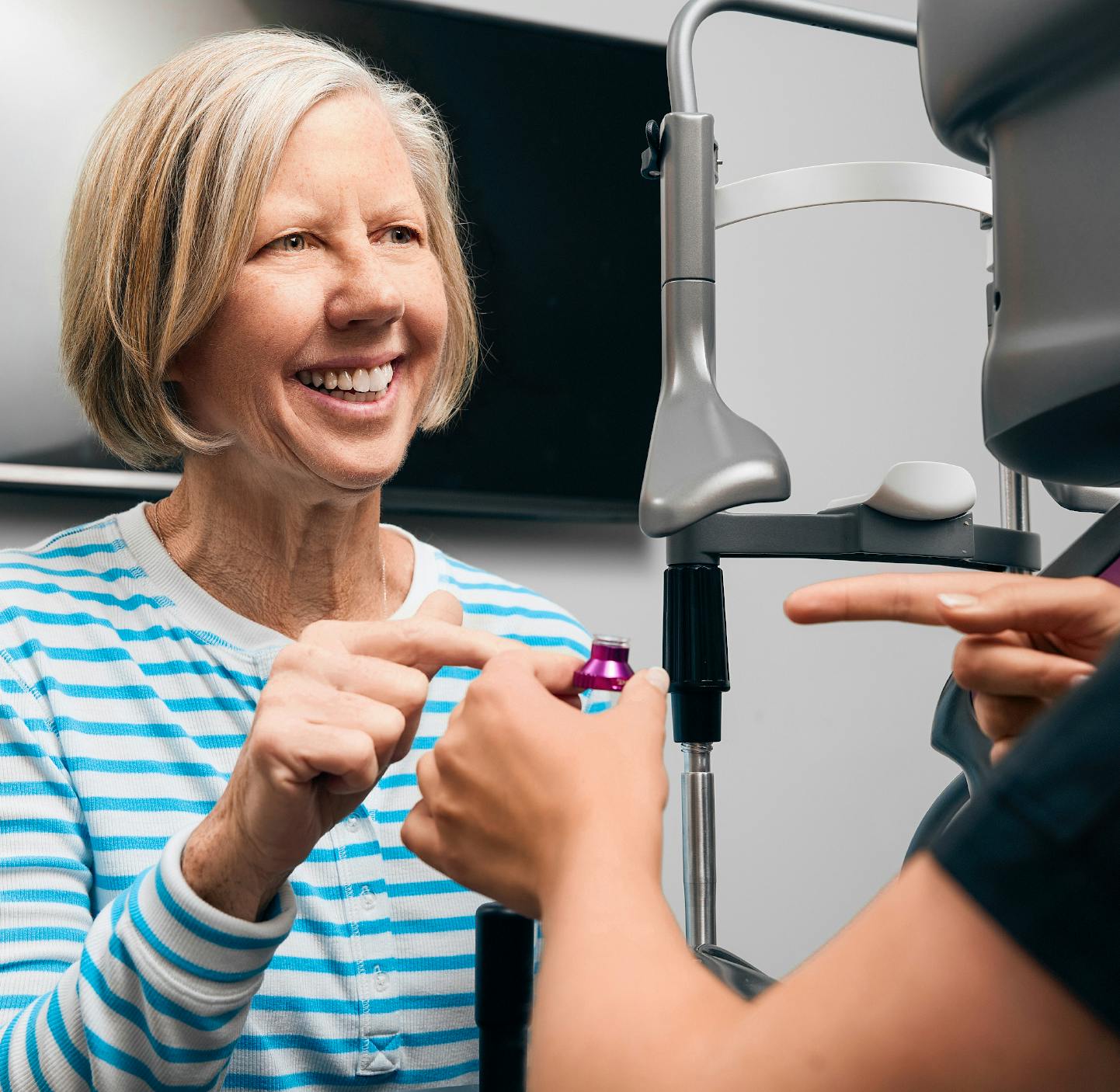
woman smiling

Diagnosis With Precision

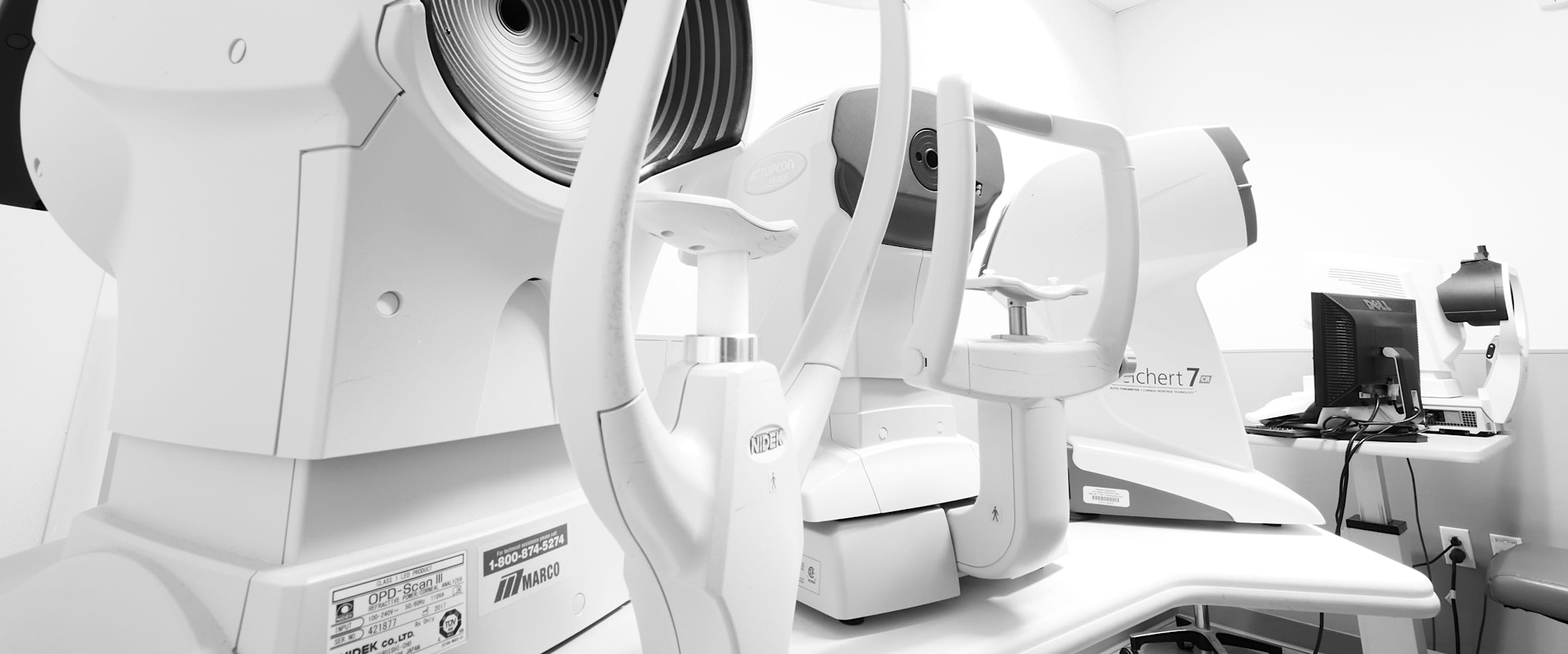
We use advanced imaging tools to map corneal thickness, curvature, and clarity. These tools help us identify conditions such as:

  • Keratoconus (bulging cornea)
  • Corneal dystrophies (including Fuchs’)
  • Past trauma
  • Infection-related scarring
  • Post-LASIK complications

This accuracy ensures the treatment plan we recommend is exactly suited to your eye.

I am happy with my care. They are compassionate, knowledgeable and caring.

L.J.

Professional & friendly all the way from 
check-in to surgeon. Best run office I’ve ever been to. Surgery & sight as promised.

Anne H.

Had a visit with Dr. Morrow today and he was very thorough and helpful. I’d recommend this establishment to anyone.

Aron J.

Very efficient. Wait time limited and they 
got me in quickly. Went above and beyond to make sure I was attended to.

MJ K.

Very good experience. The best part was meeting the team everyone was so friendly. And I like the Dr I had. He was very thorough.

Delores B.

I am thrilled with the level of service that 
I have received. All staff members have been excellent to work with.

Clay O.
Read More Real Patient Reviews

Cornea Surgery Options Available

Our surgeons offer multiple solutions depending on the severity of your condition:

  • DMEK / DSEK – partial transplants that replace only the damaged inner layer.
  • Penetrating Keratoplasty (PK) – full-thickness transplant for advanced disease.
  • Cross-Linking – strengthens corneal fibers to stop keratoconus progression.
  • Suture Removal or Corneal Reshaping – for irregularities following previous surgeries.

Patients appreciate how these modern techniques can reduce healing time while improving long-term visual outcomes. Whether you select corneal reshaping or collagen cross linking in Muncie, you can trust the specialists at Eye Surgeons of Indiana to provide the highest level of care.

A Team Trusted Across Eastern Indiana

Eye Surgeons of Indiana is known throughout the region for delivering exceptional corneal care. Whether you live near downtown Muncie, Yorktown, or near the university, you’re never far from a team that prioritizes both precision and comfort.

Our surgeons maintain the highest standards with every procedure, ensuring safety and clarity remain at the center of our work.

Banner media

Schedule a Consultation

Contact Us

What to Expect After Surgery

Most surgeries are performed on an outpatient basis. You’ll be cared for by a team that explains every step of your recovery.Vision typically improves within days to weeks, depending on the type of surgery. Regular follow-up appointments help us monitor healing and adjust your treatment as needed.

Who May Benefit from Cornea Surgery

Cornea surgery is typically considered when non-surgical treatments like medications, eye drops, or corrective lenses are insufficient. Candidates often include patients with:

  • Scarring, thinning, or clouding of the cornea affecting vision
  • Keratoconus or other progressive corneal dystrophies
  • Chronic corneal infections or inflammation
  • Non-healing corneal ulcers
  • Degenerative conditions such as Fuchs’ dystrophy

Our team performs a thorough evaluation, using advanced imaging to assess corneal health and determine the most appropriate surgical or non-surgical solution. Treatment plans are personalized to match each patient’s vision goals and lifestyle needs.

Cornea Surgery Procedures Offered in Muncie, IN

Corneal Transplant

Also known as a full-thickness transplant, this procedure replaces a damaged or diseased cornea with a healthy donor cornea. Corneal transplants can significantly improve vision for patients with scarring, thinning, or advanced corneal dystrophies. Follow-up care ensures proper healing and helps optimize visual outcomes.

DSAEK (Descemet’s Stripping Automated Endothelial Keratoplasty)

DSAEK is a partial-thickness transplant that replaces only the innermost corneal layer. This minimally invasive procedure allows faster recovery, reduced discomfort, and a lower risk of complications compared to traditional full-thickness transplants.

DMEK (Descemet’s Membrane Endothelial Keratoplasty)

DMEK refines the approach further by replacing only the damaged inner corneal layer. Patients often experience faster visual improvement, reduced risk of rejection, and a quicker return to daily activities. This procedure is more technically demanding than DSAEK but delivers a slightly faster healing expectancy.

Neurotrophic Keratitis Treatments

Neurotrophic keratitis occurs when the cornea loses sensitivity and fails to heal properly. Advanced treatments, such as regenerative eye drops and amniotic membrane grafts, help restore healing and comfort.

Infectious Keratitis Care

Bacterial, viral, or fungal corneal infections can threaten vision if left untreated. Our Muncie team provides rapid diagnosis and targeted interventions, including antimicrobial therapy, debridement, or surgical procedures, to prevent permanent damage.

Lamellar and Superficial Keratectomy

These procedures remove damaged corneal tissue while preserving healthy layers. Lamellar keratectomy addresses deeper layers affected by scarring or degeneration, while superficial keratectomy treats surface irregularities, reducing discomfort and improving vision.

Corneal Cross-Linking

Primarily used for keratoconus, corneal cross-linking strengthens the cornea by reinforcing collagen fibers. This procedure can slow or halt disease progression, helping maintain clearer vision without invasive surgery.

Corneal Conditions We Manage in Muncie

  • Keratoconus: We monitor progression and provide treatments, including cross-linking and corneal transplants if needed.
  • Fuchs’ Dystrophy: Patients benefit from DSAEK, DMEK, or other interventions to restore corneal clarity and reduce swelling.
  • Pterygium: This growth can cause redness or vision obstruction. Our surgical approach preserves corneal shape and prevents recurrence, often using grafts or anti-scarring techniques.
Banner media

Recovery and Ongoing Care

Recovery from a corneal transplant in Muncie varies by procedure:

  • Surface procedures: Most heal in days to weeks
  • DSAEK/DMEK or full transplants: Vision stabilization may take several months

Follow-up visits include corneal imaging, vision assessments, and careful monitoring for infection, rejection, or other complications. Strict adherence to postoperative instructions, including the use of prescribed eye drops and protective eyewear, ensures optimal results.

Benefits of Cornea Transplant in Muncie

  • Restores clearer vision and reduces visual distortion
  • Relieves pain or discomfort from corneal disease
  • Protects long-term eye health and prevents further deterioration
  • Improves quality of life, supporting reading, driving, and daily activities

Cornea Surgery Frequently Asked Questions

How do I know if I need cornea surgery?

How do I know if I need cornea surgery?
If medications or lenses don’t relieve symptoms or restore vision, surgery may be appropriate. Our specialists assess corneal thickness, scarring, and overall health to determine suitability.

Is cornea surgery safe?

Is cornea surgery safe?
Yes. Procedures are performed by board-certified surgeons using advanced techniques to minimize risk and maximize vision preservation.

How long does recovery take?

How long does recovery take?
Recovery varies: minor surface procedures may take days to weeks, while full or endothelial (inner eye membrane) transplants can take months for vision to stabilize.

Will I need glasses afterward?

Will I need glasses afterward?
Some patients achieve improved vision without glasses, while others may still need corrective lenses for optimal clarity.

Can cornea surgery prevent further vision loss?

Can cornea surgery prevent further vision loss?
Yes. Early intervention can stop the progression of disease, reduce discomfort, and preserve vision.

Accessibility: If you are vision-impaired or have some other impairment covered by the Americans with Disabilities Act or a similar law, and you wish to discuss potential accommodations related to using this website, please contact our Accessibility Manager at 765.534.8819.
Contact Us