Protect Your Central Vision and Maintain Everyday Clarity

Our board-certified retina specialists offer advanced, personalized treatment options for Age-Related Macular Degeneration (AMD), designed to help patients preserve their sight, maintain independence, and enjoy long-term visual clarity. Whether you are newly diagnosed or seeking to slow the progression of the disease, our team provides results-driven care tailored to you.

How Does AMD Affect Vision?

Age-Related Macular Degeneration (AMD) is a leading cause of central vision loss in adults over 50. The disease primarily affects the macula, the central portion of the retina responsible for sharp, detailed vision. As AMD progresses, it can make everyday tasks, such as reading, recognizing faces, or driving, more challenging and frustrating. There are two primary types of AMD:

  • Dry AMD: The most common form, characterized by gradual thinning of the macula. The back of the eye also accumulates yellow deposits called drusen. Vision loss develops slowly but can become significant over time.
  • Wet AMD: Less common but more severe, wet AMD occurs when abnormal blood vessels grow under the retina, leaking fluid or blood and causing rapid central vision loss.

Early detection and ongoing monitoring are critical for preserving sight and maintaining quality of life for patients.


Banner media
woman smiling

When to Seek AMD Care

Prompt evaluation is crucial if you notice any of the following changes in your vision:

  • Blurred or distorted central vision
  • Difficulty reading or recognizing faces
  • Dark or blank areas in the center of your sight
  • Shifts in color perception

At Eye Surgeons of Indiana, we emphasize proactive care, utilizing advanced imaging and early intervention to protect vision before permanent damage occurs. Our retina specialists are dedicated to providing the most advanced macular degeneration treatment in Kokomo, IN.

I am happy with my care. They are compassionate, knowledgeable and caring.

L.J.

Professional & friendly all the way from 
check-in to surgeon. Best run office I’ve ever been to. Surgery & sight as promised.

Anne H.

Had a visit with Dr. Morrow today and he was very thorough and helpful. I’d recommend this establishment to anyone.

Aron J.

Very efficient. Wait time limited and they 
got me in quickly. Went above and beyond to make sure I was attended to.

MJ K.

Very good experience. The best part was meeting the team everyone was so friendly. And I like the Dr I had. He was very thorough.

Delores B.

I am thrilled with the level of service that 
I have received. All staff members have been excellent to work with.

Clay O.
Read More Real Patient Reviews

A Long-Term, Comprehensive Approach

Managing AMD successfully requires a long-term perspective. Our Kokomo team provides ongoing monitoring and detailed imaging to do what’s right for each patient’s condition, lifestyle, and visual goals.

Regular follow-ups help detect subtle changes in the retina, guide treatment adjustments, and support patients in maintaining optimal vision over time.

Options for Macular Degeneration AMD Treatment in Kokomo

We offer a variety of approaches for AMD, combining medical treatments, procedural interventions, and lifestyle guidance.

Intravitreal Injections for Wet AMD

For patients with wet AMD, intravitreal injections are the go-to standard treatment. These medications, delivered directly into the eye, work to:

  • Reduce fluid accumulation and swelling
  • Slow or halt progression of vision loss
  • Improve or stabilize visual acuity

The procedure is performed in-office, usually well-tolerated, and requires minimal recovery. Regular monitoring determines the ideal injection frequency to maintain visual health.

Nutritional Therapy for Dry AMD

Clinical research shows that certain vitamins and minerals can slow the progression of dry AMD. Our specialists recommend individualized nutritional plans, often based on the (Age-Related Eye Disease Study #2) AREDS2 formula, including:

  • High-dose antioxidants (vitamins C and E)
  • Zinc and copper
  • Lutein and zeaxanthin

Combined with ongoing monitoring, these supplements help reduce the risk of advancing dry AMD.

Lifestyle Strategies for Retinal Health

Lifestyle habits play an important role in AMD management:

  • Routine eye exams: Detect changes early and ensure proper monitoring
  • Avoid smoking: Smoking significantly increases AMD risk
  • Healthy diet: Leafy greens, colorful vegetables, and omega-3 fatty acids support the macula
  • UV protection: Sunglasses with UV filters help protect the retina from sunlight

By combining lifestyle changes with clinical care, patients can optimize long-term vision preservation.

Advanced Diagnostic Tools

At Eye Surgeons of Indiana, we use cutting-edge retinal imaging to track AMD progression and guide treatment:

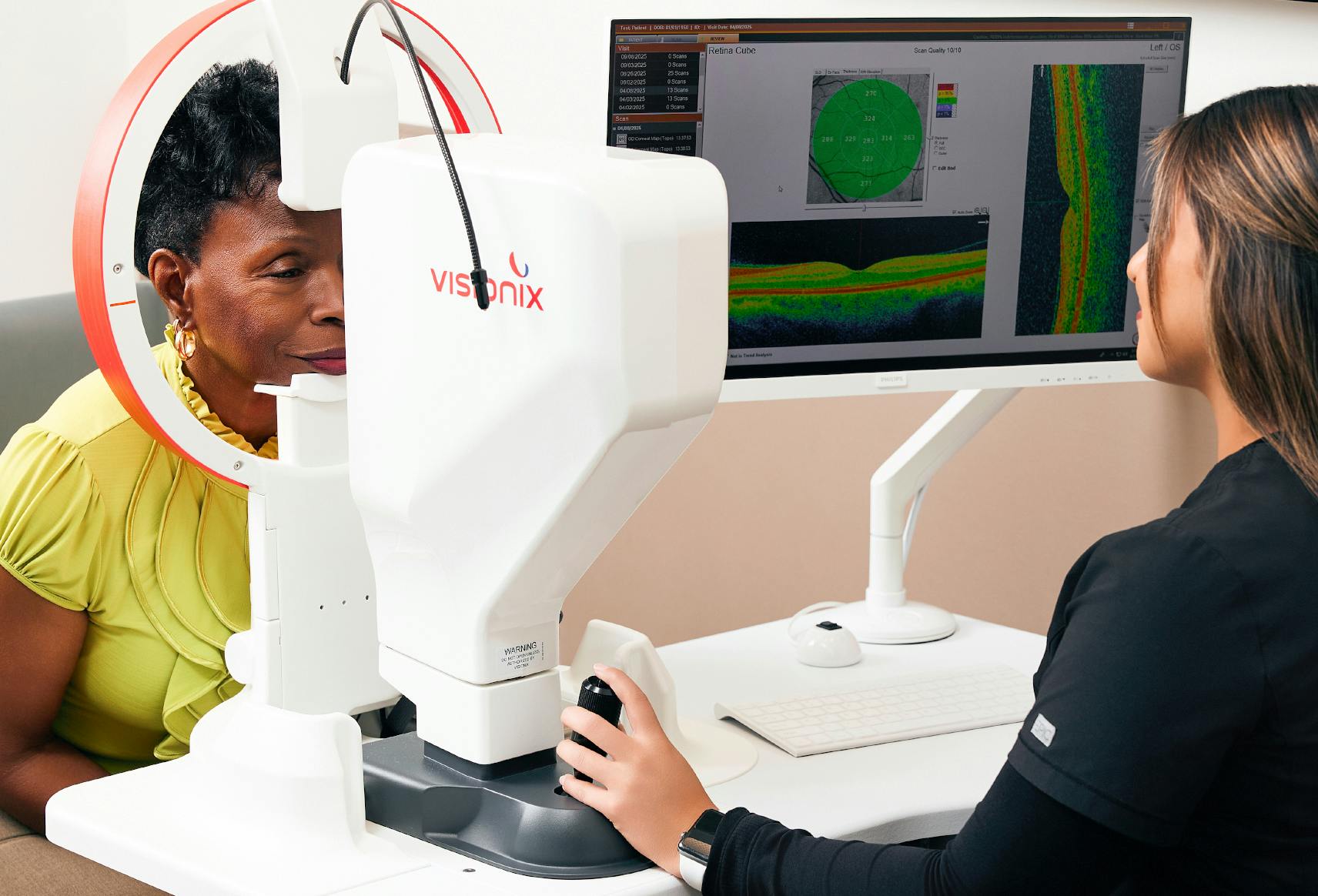
  • Optical Coherence Tomography (OCT): Provides detailed cross-sectional images of the retina
  • Fundus photography: Maps drusen and retinal changes over time
  • Fluorescein angiography: Detects abnormal blood vessel growth in wet AMD

These technologies allow our retina specialists to deliver personalized care and intervene early for optimal outcomes.

Who Benefits From AMD Treatment?

macular degeneration amd AMD treatment may benefit patients who:

  • Have dry or wet AMD
  • Are at high risk of progression, such as those with intermediate drusen
  • Notice changes in central vision
  • Want proactive strategies to preserve vision for the long term

Even patients in the early stages of AMD can benefit from consultation to discuss preventive strategies and monitoring.

Schedule a Consultation

Contact Us

Recovery and Follow-Up

Recovery from macular degeneration in Kokomo and ongoing care depend on the type of treatment:

  • Intravitreal injections: Most patients recover quickly, experiencing only mild eye irritation or sensitivity
  • Nutritional and lifestyle interventions: Require consistent adherence and monitoring for optimal results

Follow-up appointments are essential for evaluating treatment effectiveness, making necessary adjustments, and monitoring retinal health.

Expected Results for Retinal Treatments

Patients receiving intravitreal injections for wet AMD often maintain or improve vision when treatment begins early

Nutritional therapy can slow the progression of dry AMD and reduce the risk of developing advanced disease

Regular monitoring and timely interventions support patients in maintaining independence and quality of life, enabling continued enjoyment of daily activities

Safety Considerations

Intravitreal injections carry a low risk of complications, including infection or bleeding. Nutritional supplements should be taken as recommended, and patients with medical conditions should consult their physician first.

Why Choose Eye Surgeons of Indiana?

Kokomo residents rely on Eye Surgeons of Indiana for AMD care that combines expertise, advanced technology, and a patient-centered approach. We focus on early detection, precise monitoring, and customized treatment plans to preserve central vision and slow disease progression.

Our specialists consider your lifestyle, visual goals, and ocular health in every decision, providing clear guidance and compassionate support. By prioritizing integrity, innovation, and long-term outcomes, we help patients maintain independence, enjoy daily activities, and protect their vision for the future.

Frequently Asked Questions Macular Degeneration AMD Treatment

Can AMD cause complete blindness?

AMD mainly affects central vision; peripheral vision typically remains intact. Complete blindness is uncommon.

Is treatment effective for everyone?

Early intervention and adherence to treatment plans significantly improve outcomes.

How often should I have eye exams for AMD?

Monitoring usually occurs every 3–12 months, depending on the type of retinal disease and severity.

Do lifestyle changes really help?

Yes. Healthy nutrition, UV protection, and avoiding smoking contribute to retinal health and may slow AMD progression.

Accessibility: If you are vision-impaired or have some other impairment covered by the Americans with Disabilities Act or a similar law, and you wish to discuss potential accommodations related to using this website, please contact our Accessibility Manager at 765.703.8167.
Contact Us