Advanced, Compassionate Care for Every Stage of Glaucoma

At Eye Surgeons of Indiana in Greenfield, we combine advanced diagnostic technology with a patient-centered approach to help you protect the eyesight you rely on every day. In many cases, our own friends and family have suffered from similar conditions to yours. We strive to treat you with the same respect and concern we would show someone close to us. Here, your long-term vision matters.

What Is Glaucoma?

Glaucoma usually develops when fluid pressure inside the eye, known as intraocular pressure (IOP), becomes elevated. It is a broad term for a family of conditions that affect the optic nerve. Over time, this pressure can do harm to the central nerve and lead to vision loss. While anyone can develop glaucoma, risk factors include age, family history, elevated eye pressure, thin corneas, and systemic conditions like diabetes.

Although glaucoma cannot be cured, modern therapies can slow or halt its progression, protect your optic nerve, and maintain your visual quality of life.

Our Personalized Approach to Glaucoma Care

No two cases of glaucoma are identical. That’s why our team customizes every treatment plan to your type and severity of glaucoma, overall eye health, and daily needs. Every glaucoma surgery in Greenfield is tailored specifically to you

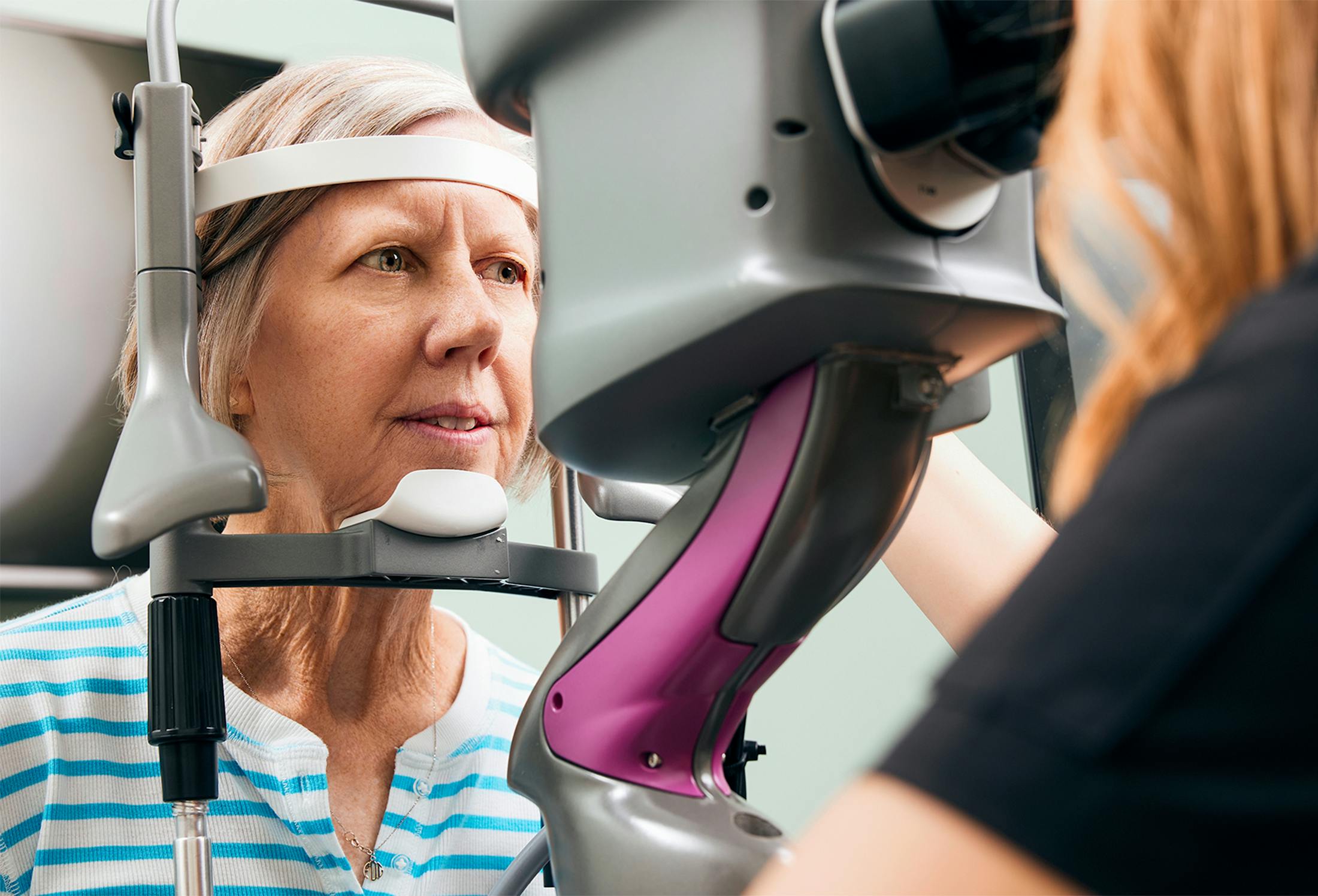
Using state-of-the-art imaging, visual field testing, and precise pressure measurements, we track changes over time to ensure your care is accurate and effective.

Whether you are newly diagnosed or have been managing glaucoma for years, our mission is clear: to preserve your vision with the safest, most advanced therapies available.

Glaucoma Words to Know

Trabecular meshwork

A spongy drainage tissue at the front of the eye that helps fluid (aqueous humor) exit the eye. When this tissue doesn’t drain properly, eye pressure can rise.

Schlemm’s canal

A tiny circular channel connected to the trabecular meshwork that carries fluid out of the eye. Proper function is essential for maintaining healthy eye pressure.

Intraocular pressure (IOP)

The fluid pressure inside the eye. High IOP is a major risk factor for glaucoma.

Schedule a Consultation

Contact Us

Available Glaucoma Treatments in Greenfield, IN

Our practice offers a wide range of cutting-edge treatments to manage glaucoma. Each option can be customized to your eye’s needs:

Selective Laser Trabeculoplasty (SLT)

SLT is a gentle, low-energy laser procedure that stimulates a healing reaction in the trabecular meshwork and enhances your eye’s natural fluid drainage. It can reduce eye pressure without incisions and is often used as a first-line therapy or to supplement eye drop regimens.

iDose TR® Implant

The iDose TR is a small, sustained-release device placed inside the eye during a minimally invasive procedure. It delivers medication over time to control eye pressure, reducing or eliminating the need for daily eye drops.

OMNI® Surgical System

OMNI allows your surgeon to address three key fluid blockage points in a single procedure: the trabecular meshwork, Schlemm’s canal, and the smaller drainage canals connecting them. By improving natural fluid flow, it effectively lowers intraocular pressure.

Hydrus® Microstent

This flexible, microscopic stent is inserted into the eye’s drainage canal to keep it open and enhance long-term fluid outflow. Frequently combined with cataract surgery, the Hydrus stent can decrease eye pressure and reduce reliance on eye drops.

Goniotomy

A minimally invasive procedure that removes a small section of the eye’s natural drainage tissue, goniotomy helps fluid exit the eye more freely.

iStent®

The iStent is a tiny medical implant placed in your eye’s drainage pathway, often during cataract surgery. It functions like a miniature plumbing device, helping lower eye pressure conveniently and effectively.

Minimally Invasive Glaucoma Surgery (MIGS)

MIGS encompasses a range of less-invasive surgical techniques, including iStent, Hydrus, OMNI, and goniotomy, that lower eye pressure safely and with minimal downtime. MIGS is ideal for patients with mild to moderate glaucoma who wish to reduce medication use while protecting their long-term vision.

Recovery After Glaucoma Surgery

Recovery time varies depending on the procedure. Minimally invasive glaucoma surgeries (MIGS) and selective laser trabeculoplasty (SLT) often allow patients to resume normal activities within a few days, while more extensive surgeries may require several weeks for healing. Mild discomfort, blurred vision, or light sensitivity can occur temporarily. Your surgeon will provide personalized instructions, including eye drop schedules and activity precautions. Follow-up visits will ensure your eyes are healing safely and your treatment is effective.

I am happy with my care. They are compassionate, knowledgeable and caring.

L.J.

Professional & friendly all the way from 
check-in to surgeon. Best run office I’ve ever been to. Surgery & sight as promised.

Anne H.

Had a visit with Dr. Morrow today and he was very thorough and helpful. I’d recommend this establishment to anyone.

Aron J.

Very efficient. Wait time limited and they 
got me in quickly. Went above and beyond to make sure I was attended to.

MJ K.

Very good experience. The best part was meeting the team everyone was so friendly. And I like the Dr I had. He was very thorough.

Delores B.

I am thrilled with the level of service that 
I have received. All staff members have been excellent to work with.

Clay O.
Read More Real Patient Reviews

Eye Surgeons of Indiana: Comprehensive Care for Eye Health

For glaucoma treatment in Greenfield, IN, patients trust Eye Surgeons of Indiana because we take complete ownership of long-term eye health. Glaucoma requires ongoing management, close monitoring, and timely intervention. Our team is committed to guiding patients through every stage of care.

We have been treating people, not just eye pressure readings, for over 25 years. We consider comfort, daily routines, and quality of life when developing treatment plans. At Eye Surgeons of Indiana, every recommendation reflects our responsibility to protect your vision today and preserve independence for the future.

Glaucoma Treatment Frequently Asked Questions

How do I know if I need glaucoma surgery?

Surgery may be recommended if medications and eye drops no longer control eye pressure effectively. Surgical options, like SLT, MIGS, or drug delivery devices, aim to prevent further vision loss.

Is glaucoma surgery painful?

Most glaucoma surgeries are minimally invasive and well-tolerated. You may feel mild pressure or discomfort, but local anesthesia keeps the procedure comfortable.

Will glaucoma surgery improve my vision?

Glaucoma treatments help preserve existing vision—they do not restore vision that has already been lost. Early detection and consistent treatment are key to maintaining healthy eyesight.

Are glaucoma treatments safe?

Yes. Modern glaucoma procedures have excellent safety profiles and are FDA-approved. Your doctor will customize treatment based on your eye health and glaucoma type.

What happens if glaucoma is left untreated?

Untreated glaucoma can cause permanent vision loss, typically starting with peripheral vision. Because early symptoms are subtle, regular exams are critical to prevent irreversible damage.

Is SLT permanent?

SLT can lower eye pressure for several years, but repeat treatments may be necessary if pressure rises. Your doctor monitors progress at follow-up visits.

Accessibility: If you are vision-impaired or have some other impairment covered by the Americans with Disabilities Act or a similar law, and you wish to discuss potential accommodations related to using this website, please contact our Accessibility Manager at 317.732.5681.
Contact Us