The Cornea and Its Importance

The cornea is the transparent, dome-shaped surface at the front of the eye, responsible for focusing light onto the retina. Damage or disease in the cornea can lead to blurred vision, discomfort, or visual distortions.

At Eye Surgeons of Indiana, our cornea experts use advanced imaging and surgical techniques to restore vision affected by corneal conditions. Our corneal cross-linking in Greenfield strengthens the eye's collagen bonds to stabilize your sight and stop the bulging associated with corneal thinning. We can help you improve comfort and maintain overall ocular health with the right care.

Who Can Benefit from Cornea Surgery?

Surgery may be recommended when medications or non-surgical interventions are insufficient. Common candidates include those with:

  • Scarring or thinning of the cornea affecting vision
  • Progressive keratoconus (bulging of thin corneal tissue) or other corneal dystrophies
  • Chronic infections or inflammation causing corneal damage
  • Non-healing corneal ulcers
  • Degenerative changes like Fuchs dystrophy

Each patient undergoes a detailed evaluation to determine the safest, most effective surgical approach. Our Greenfield specialists tailor every treatment plan to you and your eyes with a view towards long-term health.

Corneal Surgery and Treatment Options

Full Corneal Transplant

Also called penetrating keratoplasty, a corneal transplant replaces the damaged tissue with a healthy donor cornea. This surgery can restore clarity and improve vision for patients with scarring, dystrophies, or thinning, with follow-up care to monitor healing and visual outcomes.

Descemet’s Stripping Automated Endothelial Keratoplasty (DSAEK)

DSAEK focuses on replacing the innermost layer of the cornea. This less-invasive procedure offers faster recovery, lower complication risk, and improved visual stabilization.

DMEK (Descemet’s Membrane Endothelial Keratoplasty)

DMEK is a highly refined, minimally invasive transplant for the thinnest inner corneal layer. It allows faster visual recovery, lower rejection rates, and minimal disruption to daily life compared with traditional transplant methods.

Neurotrophic Keratitis Management

For corneas with decreased sensitivity (nerve damage) that fail to heal properly, advanced therapies, such as regenerative eye drops and amniotic membrane grafts, promote healing and restore comfort.

Infectious Keratitis Treatment

Bacterial, viral, or fungal infections of the cornea can be sight-threatening and must be handled rapidly. Our Greenfield team provides rapid diagnosis and targeted treatment, including antimicrobial therapy, surgical intervention, or tissue debridement to prevent permanent damage.

Lamellar and Superficial Keratectomy

Lamellar (layered) keratectomy removes deeper corneal layers affected by scarring or disease, while superficial keratectomy treats surface irregularities. Both procedures preserve healthy tissue, enhance vision, and relieve discomfort from troubled corneas.

Corneal Cross-Linking for Keratoconus

Cross-linking strengthens corneal collagen fibers to slow or halt the progression of a bulging cornea, the diagnostic factor in keratoconus. This helps maintain clearer vision and reduces the need for more invasive surgery. Our specialized team is proud to offer advanced collagen cross linking in Greenfield, IN, to help patients stabilize their sight and protect their long-term ocular health.

Schedule a Consultation

Contact Us

Conditions We Treat

Keratoconus

We provide ongoing monitoring and treatment for this condition, including cross-linking or corneal transplantation when needed.

Fuchs’ Dystrophy

Partial cornea transplant procedures like DSAEK or DMEK restore clarity and relieve swelling for long-term comfort from this degenerative condition.

Pterygium

These growths on the cornea that can interfere with vision or cause irritation are removed surgically, preserving corneal shape and reducing recurrence risk.

Why Patients in Greenfield Trust Eye Surgeons of Indiana

At Eye Surgeons of Indiana, we believe exceptional results come from thoughtful planning. Every patient’s vision correction plan is customized to their unique eye health, medical history, and lifestyle. While we use advanced technology to enhance precision and safety, it never replaces the skill, judgment, and experience of our surgeons. You can expect honest guidance and a sympathetic ear when it comes to your care in Greenfield.
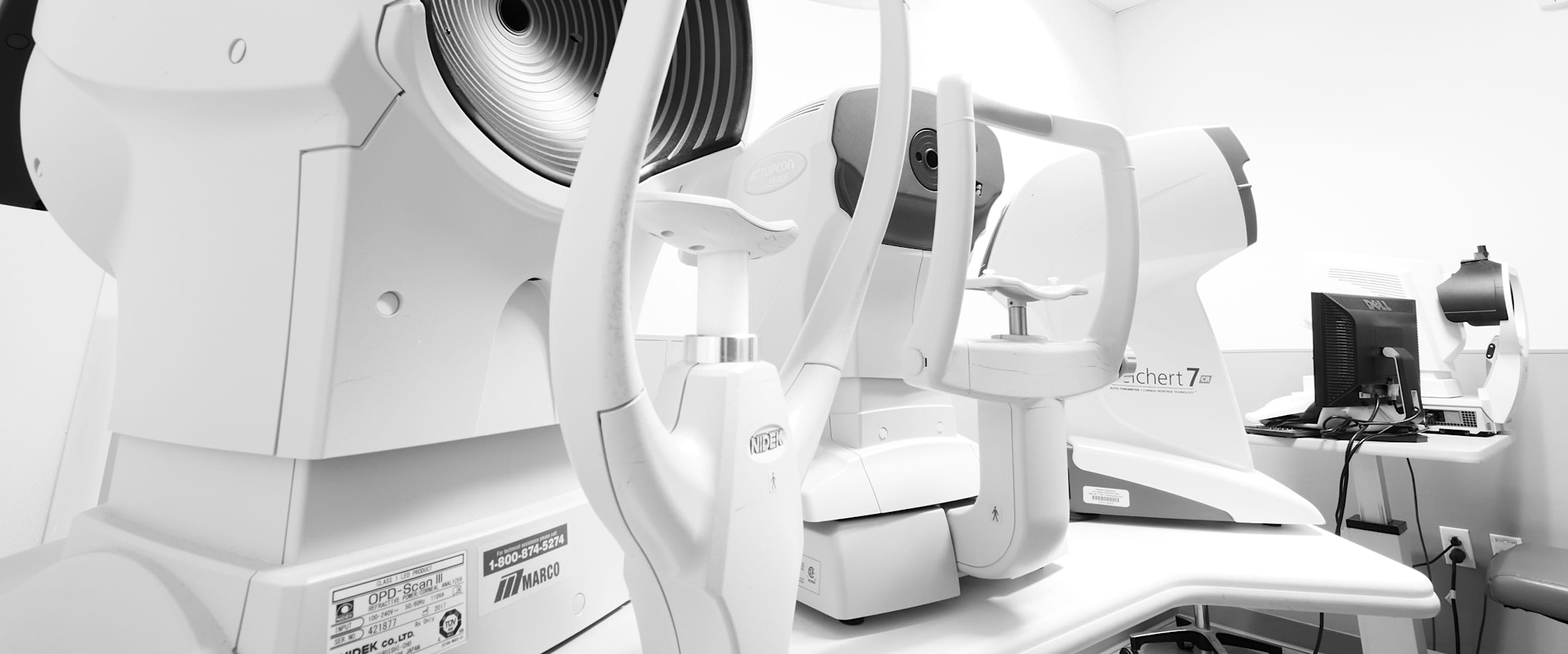
Recovery Timeline after Corneal Transplant in Greenfield

Recovery times depend on the type of procedure being applied to your cornea. For surface procedures, you may see immediate improvement in days or weeks.

For a deeper partial or full transplant procedure, results will continue to develop over several months. Your eye doctor will discuss what to expect exactly based on your procedure.

I am happy with my care. They are compassionate, knowledgeable and caring.

L.J.

Professional & friendly all the way from 
check-in to surgeon. Best run office I’ve ever been to. Surgery & sight as promised.

Anne H.

Had a visit with Dr. Morrow today and he was very thorough and helpful. I’d recommend this establishment to anyone.

Aron J.

Very efficient. Wait time limited and they 
got me in quickly. Went above and beyond to make sure I was attended to.

MJ K.

Very good experience. The best part was meeting the team everyone was so friendly. And I like the Dr I had. He was very thorough.

Delores B.

I am thrilled with the level of service that 
I have received. All staff members have been excellent to work with.

Clay O.
Read More Real Patient Reviews

Follow-Up Treatment for Optimized Outcomes

Follow-up visits include corneal imaging, visual assessments, and monitoring for complications. Patients are instructed to follow postoperative care plans, including eye drops and protective eyewear, to achieve optimal results.

Banner media

Benefits of Corneal Surgery

After addressing your corneal concerns, there is much to look forward to.

  • Clearer, more comfortable vision
  • Reduced pain or irritation
  • Long-term preservation of corneal health
  • Improved quality of life for reading, driving, and daily activities

Cornea Surgery Frequently Asked Questions

How do I know if I need cornea surgery?

Surgery may be appropriate if medications or lenses do not adequately address vision issues or corneal disease. Our specialists evaluate your eye health, corneal thickness, and scarring to make a recommendation.

Is cornea surgery safe?

Yes. Our board-certified surgeons use only the most advanced techniques to minimize risk, protect healthy tissue, and optimize outcomes for your safety.

Will I need glasses afterward?

Some patients achieve improved vision without corrective lenses, while others may still require glasses or contacts for optimal clarity. Every eye is unique, and your surgeon can cover what to expect in your case.

Can cornea surgery prevent further vision loss?

Yes. Early intervention can stop disease progression, relieve discomfort, and preserve long-term vision. It is better to act than to allow eye diseases to worsen.

Accessibility: If you are vision-impaired or have some other impairment covered by the Americans with Disabilities Act or a similar law, and you wish to discuss potential accommodations related to using this website, please contact our Accessibility Manager at 317.732.5681.
Contact Us