Protect Your Central Vision and Preserve Life’s Details

Our board-certified retina specialists provide advanced, personalized macular degeneration AMD treatment in Lafayette, helping patients maintain their sight, independence, and quality of life. Whether you’re newly diagnosed or managing an ongoing disease, our team delivers compassionate, long-term care tailored to your needs. By utilizing state-of-the-art diagnostic imaging, we provide the timely interventions and specialized care necessary to protect your vision.

Understanding AMD and Its Effects on Vision

Age-Related Macular Degeneration (AMD) is a leading cause of central vision loss in adults over 50. The disease affects the macula, the central portion of the retina responsible for sharp, detailed vision. As AMD advances, it can make everyday activities, like reading, recognizing faces, or driving, more difficult. AMD typically presents in two forms:

Dry AMD

The more common type, marked by gradual thinning or “drying” of the macula and the accumulation of yellow-whitish deposits called drusen. Vision loss progresses slowly but can become significant over time.

Wet AMD

Less common but more severe, wet AMD occurs when abnormal blood vessels form beneath the retina and leak fluid or blood, creating a “wet” environment where it should not be, leading to rapid central vision loss.

Early detection and consistent monitoring are critical for preserving sight and maintaining independence for Lafayette residents.

woman smiling

When to Seek AMD Care

You should schedule an evaluation if you notice any of the following visual changes:

  • Blurred or distorted central vision
  • Difficulty reading or recognizing faces
  • Dark or empty areas in your central sight
  • Shifts in color perception

At Eye Surgeons of Indiana, we emphasize proactive care, using advanced imaging and timely intervention to protect vision before permanent damage occurs.

A Long-Term, Comprehensive Approach

Managing AMD successfully requires a long-term strategy. Our Lafayette retina specialists provide ongoing monitoring, detailed imaging, and custom treatment plans for each patient.

This ensures subtle changes in the retina are detected early, therapies are adjusted as needed, and you maintain optimal vision over time.

Available Macular Degeneration AMD Treatments in Lafayette

We offer a combination of medical, procedural, and lifestyle-based strategies to protect central vision.

Intravitreal Injections for Wet AMD

For wet AMD, intravitreal injections are the standard treatment. Delivered directly into the jelly-like center of the eye, these medications:

  • Reduce fluid accumulation and swelling
  • Slow or halt vision loss
  • Improve or stabilize visual acuity

The procedure is quick, performed in-office, and typically well-tolerated. Follow-up appointments determine the ideal treatment schedule to maintain visual health.

Nutritional Therapy for Dry AMD

Research shows that specific vitamins and minerals can slow the progression of dry AMD. Our specialists in Lafayette provide personalized nutritional guidance, often following the special AREDS2 formula, which may include:

  • High-dose antioxidants (vitamins C and E)
  • Zinc and copper
  • Lutein and zeaxanthin (plant-based pigments)

Combined with ongoing monitoring, these interventions help reduce the risk of advancing dry AMD.

Lifestyle Strategies for Retinal Health

Lifestyle habits also play an important role in managing AMD:

  • Routine eye exams: Detect changes early and ensure proper monitoring
  • Quitting smoking: Smoking significantly increases AMD risk
  • Eating well: Leafy greens, colorful vegetables, and omega-3 fatty acids support macular health
  • Stopping heavy sun: Sunglasses with UV filters protect the retina from sunlight

By pairing lifestyle changes with clinical care, patients can maximize long-term vision preservation.

Advanced Diagnostic Tools

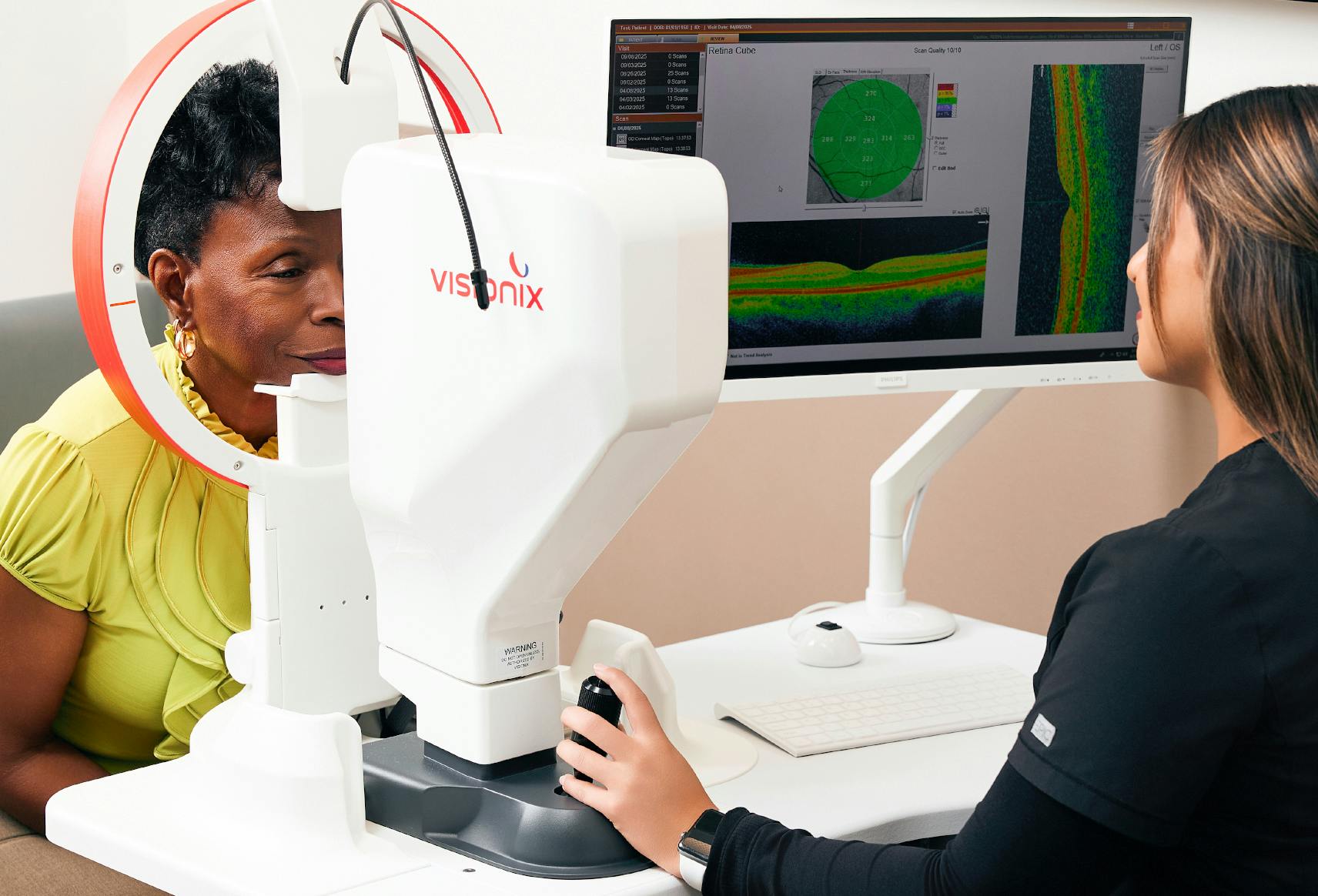
Eye Surgeons of Indiana in Lafayette uses state-of-the-art retinal imaging to track AMD progression and guide individualized treatment:

  • Optical Coherence Tomography (OCT): Provides detailed cross-sectional views of the retina
  • Fundus photography: Maps drusen and retinal changes over time at the back of the eye
  • Fluorescein angiography: Detects abnormal blood vessel growth in wet AMD

These technologies allow our retina specialists to intervene early, giving patients the best chance to maintain clear vision.

Who Benefits from AMD Treatment?

Macular degeneration AMD treatment in Lafayette may benefit those who:

  • Have been diagnosed with dry or wet AMD
  • Are at high risk for progression, such as patients with intermediate drusen
  • Notice changes in central vision
  • Seek proactive strategies to preserve vision long-term

Even early-stage AMD patients benefit from consultation, preventive strategies, and consistent monitoring.

Banner media

Recovery and Follow-Up

Recovery and ongoing care depend on the type of treatment:

  • Intravitreal injections: Patients typically experience rapid recovery with minimal discomfort. More than one injection, or a regular schedule of them, may be needed.
  • Nutritional and lifestyle interventions: Consistent adherence and monitoring are essential for lasting benefits.

Regular follow-up visits ensure the effectiveness of treatments, allow adjustments when needed, and monitor retinal health.

Expected Results

Early intravitreal injection therapy for wet AMD can maintain or improve vision. Nutritional therapy can slow the progression of dry AMD and lower the risk of advanced disease. Regular monitoring and timely interventions help patients maintain independence, enjoy daily activities, and protect their quality of life.

Safety and Considerations

Intravitreal injections carry a low risk of complications such as infection or bleeding. All precautions are taken to minimize risk. Nutritional supplements should be used as directed, and patients with pre-existing conditions should consult their physician.

Why Choose Eye Surgeons of Indiana in Lafayette?

For AMD patients in Lafayette, Eye Surgeons of Indiana offers a combination of advanced retinal therapies and personalized care to maintain sharp central vision. Our specialists leverage state-of-the-art imaging and medical treatments to monitor progression, intervene proactively, and preserve visual function. 

We guide you through every step, from diagnosis to ongoing follow-up, ensuring that your treatment aligns with your lifestyle and long-term goals. Lafayette patients benefit from a team that values integrity, innovation, and compassionate service, helping you enjoy daily activities with clarity and confidence.

Macular Degeneration AMD Treatment Frequently Asked Questions

Can AMD cause total blindness?

AMD mainly affects central vision; peripheral vision usually remains intact but could be affected by co-occurring conditions. Complete blindness is uncommon.

Is treatment effective for everyone?

While results vary, early intervention and adherence to treatment plans significantly improve outcomes. Many people have been successfully treated with these approaches.

How often should I have eye exams for AMD?

Patients who are at a higher risk for AMD are typically monitored every 3–12 months, depending on disease type and severity.

Are intravitreal injections painful?

Most patients experience only mild irritation or redness. Serious complications are rare. Numbing drops make the procedure tolerable.

Do lifestyle changes really help?

Yes. A healthy diet, UV protection, and avoiding smoking contribute to retinal health and can slow AMD progression.

Accessibility: If you are vision-impaired or have some other impairment covered by the Americans with Disabilities Act or a similar law, and you wish to discuss potential accommodations related to using this website, please contact our Accessibility Manager at 765.530.6288.
Contact Us