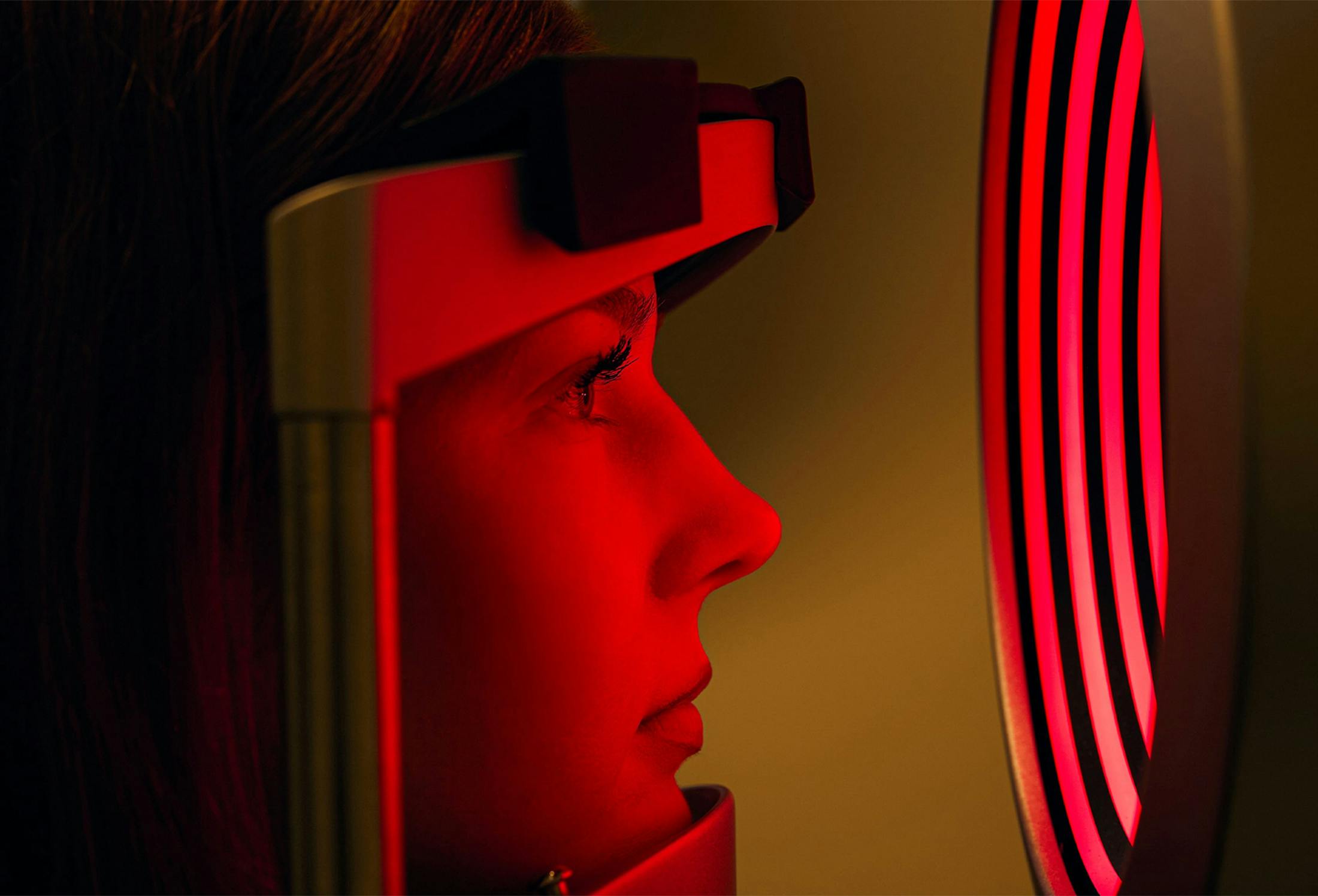
What the Cornea Does for Your Vision

The cornea is the transparent, dome-shaped layer at the front of your eye. It plays a critical role in focusing light on your retina, the tissue where images are registered, allowing you to see clearly. When the cornea is damaged or diseased, vision can become blurred, distorted, or uncomfortable.

At Eye Surgeons of Indiana, our cornea experts combine advanced imaging technology with surgical precision to restore vision, reduce discomfort, and maintain the overall health of your eyes.

Will I Benefit From Corneal Surgery?

Corneal surgery may be recommended when non-surgical options such as medications, lenses, or other therapies cannot adequately address your symptoms. Candidates often include patients experiencing:

  • Chronic infections or inflammation causing corneal damage
  • Non-healing corneal ulcers
  • Scarring or thinning of the cornea that impacts vision
  • Degenerative conditions like Fuchs’ dystrophy
  • Progressive keratoconus (thinning and bulging) or other corneal dystrophies

Our eye specialists perform a thorough evaluation to determine the best surgical approach. Your personal evaluation will help determine if a corneal transplant in Anderson is right for you.

Banner media

Schedule a Consultation

Contact Us

Advanced Corneal Surgery Options

Eye Surgeons of Indiana in Anderson offers a full spectrum of treatment for corneal issues.

Full Corneal Transplant

A full-thickness corneal transplant (called penetrating keratoplasty) replaces a damaged cornea with a healthy donor cornea. Undergoing a corneal transplant in our Anderson, IN, office can significantly improve vision for patients with scarring, thinning, or advanced dystrophies. Postoperative care includes regular follow-ups to monitor healing and visual outcomes.

DSAEK: Partial-Thickness Transplants

Descemet’s Stripping Automated Endothelial Keratoplasty (DSAEK) replaces just two of the innermost corneal layers with donor tissue. These tiny cellular layers are called Descemet’s membrane and the endothelium. A small layer of the cornea is removed with them. This minimally invasive procedure allows for faster recovery, lower risk of complications, and improved visual stability compared with traditional full transplants.

DMEK: Refined Endothelial Transplants

Descemet’s Membrane Endothelial Keratoplasty (DMEK) is a highly precise procedure, even more technically demanding than DSAEK, targeting only the damaged inner corneal layer. It removes the same two membranes but does not touch the cornea. It requires only the thinnest donor tissue and often results in even clearer vision. Patients benefit from rapid visual improvement, minimal disruption to daily life, faster recovery, and reduced risk of rejection.

Neurotrophic Keratitis Treatments

Loss of nerve function in the eye is the leading cause of Neurotrophic Keratitis. When the cornea loses sensitivity and cannot heal properly, our specialists use regenerative eye drops and amniotic membrane grafts to restore healing and comfort.

Infectious Keratitis Care

Infections of the cornea caused by bacteria, viruses, or fungi can threaten vision. Our Anderson eye surgeons and support team provide prompt diagnosis and targeted treatment, including antimicrobial therapy, debridement, or surgical intervention to prevent long-term damage.

Corneal Cross-Linking for Keratoconus

Keratoconus is when the cornea forms a bulging “cone” in the front of the eye, due to weakened tissue. Corneal cross-linking in Anderson strengthens the cornea by reinforcing collagen fibers. This treatment can slow or halt keratoconus progression, maintaining clearer vision and reducing the need for more invasive surgery.

woman smiling

Common Conditions We Treat in Anderson

  • Keratoconus: Comprehensive care includes cross-linking and, if needed, corneal transplants to stabilize vision.
  • Fuchs’ Dystrophy: Endothelial membrane graft procedures like DSAEK or DMEK restore corneal clarity and long-term comfort.
  • Pterygium: Surgical removal of the small growths, pterygium, that can form on the eye reduces irritation, preserves corneal shape, and prevents recurrence, often with grafts or anti-scarring techniques.

Why Choose Eye Surgeons of Indiana in Anderson?

Our team provides expert corneal care with a patient-centered approach. We combine extensive surgical experience, advanced technology, and compassionate guidance to ensure each patient feels supported throughout diagnosis, treatment, and recovery.

Whether your care plan involves minimally invasive procedures, complex corneal transplants, or ongoing therapies for collagen cross-linking in Anderson, IN, we focus on preserving your vision and improving your quality of life.

I am happy with my care. They are compassionate, knowledgeable and caring.

L.J.

Professional & friendly all the way from 
check-in to surgeon. Best run office I’ve ever been to. Surgery & sight as promised.

Anne H.

Had a visit with Dr. Morrow today and he was very thorough and helpful. I’d recommend this establishment to anyone.

Aron J.

Very efficient. Wait time limited and they 
got me in quickly. Went above and beyond to make sure I was attended to.

MJ K.

Very good experience. The best part was meeting the team everyone was so friendly. And I like the Dr I had. He was very thorough.

Delores B.

I am thrilled with the level of service that 
I have received. All staff members have been excellent to work with.

Clay O.
Read More Real Patient Reviews

Recovery and Postoperative Care

Recovery varies depending on the type of corneal surgery. Your eye doctor will discuss the full details of surgery at your consultation. For surface procedures, healing usually occurs within days to weeks. Postoperative visits to ensure all is well include corneal imaging, vision assessments, and monitoring for complications such as infection or graft rejection. Partial or complete transplants can take longer, with vision stabilizing over several months. Patients are guided on the proper use of eye drops and protective measures to optimize healing.

Benefits of Cornea Surgery

  • Relief from irritation or eye pain
  • Preservation of long-term corneal health
  • Improved visual clarity and comfort
  • Enhanced ability to read, drive, and enjoy daily activities

Cornea Surgery Frequently Asked Questions

How do I know if cornea surgery is right for me?

Our specialists evaluate vision changes, corneal thickness, and overall eye health to determine whether surgery is the best option.

Is cornea surgery safe?

Yes. Our board-certified surgeons use advanced techniques to minimize risk, preserve healthy tissue, and protect vision.

Will I still need glasses?

Some patients experience improved vision without corrective lenses, while others may still require glasses or contacts for optimal clarity. Discussing your lifestyle needs with your eye surgeon will ensure the outcome is tailored to your specific needs.

Can cornea surgery prevent further vision loss?

Yes. Early intervention reduces discomfort, stops progressive damage, and preserves clear vision.

Accessibility: If you are vision-impaired or have some other impairment covered by the Americans with Disabilities Act or a similar law, and you wish to discuss potential accommodations related to using this website, please contact our Accessibility Manager at 765.246.3154.
Contact Us